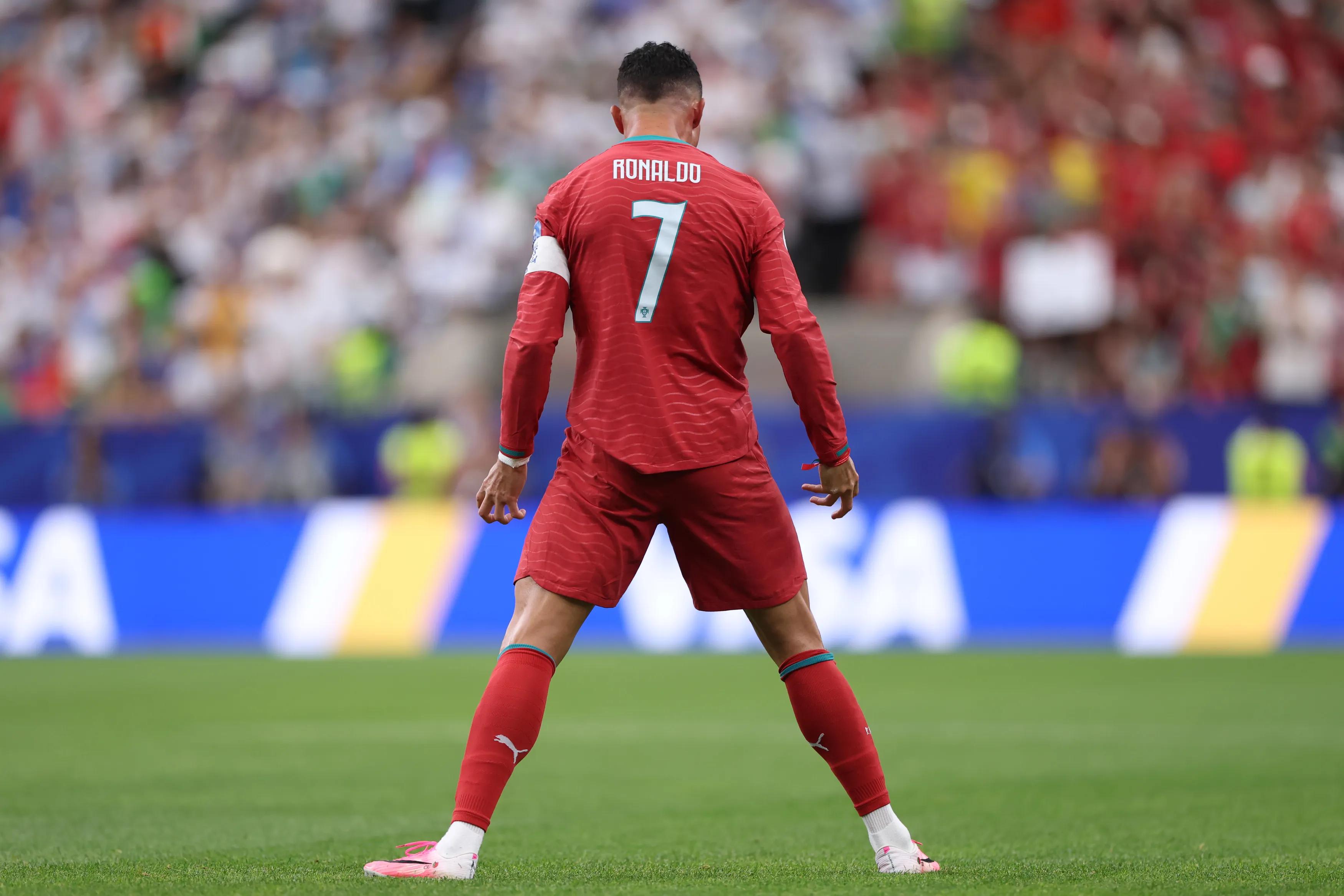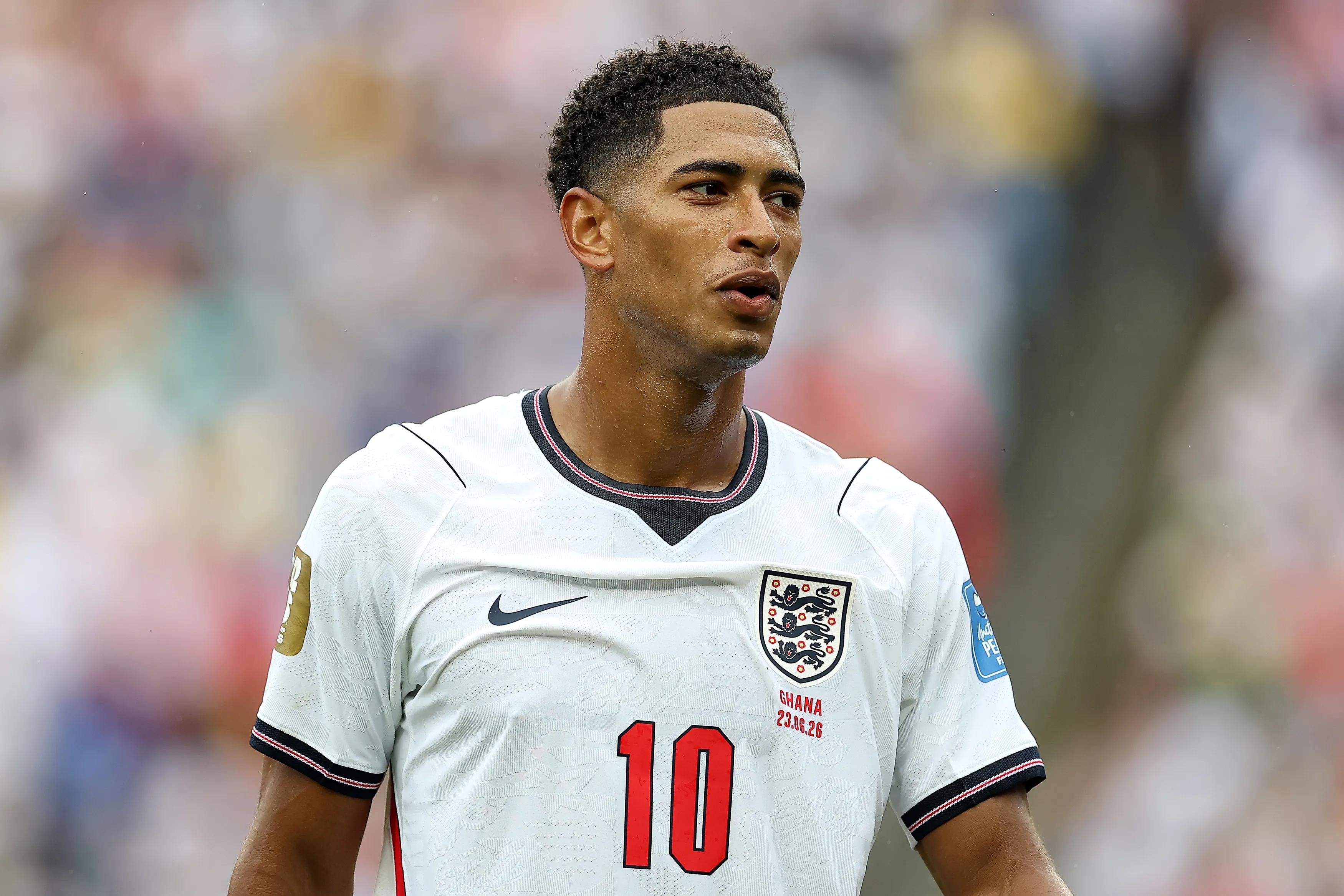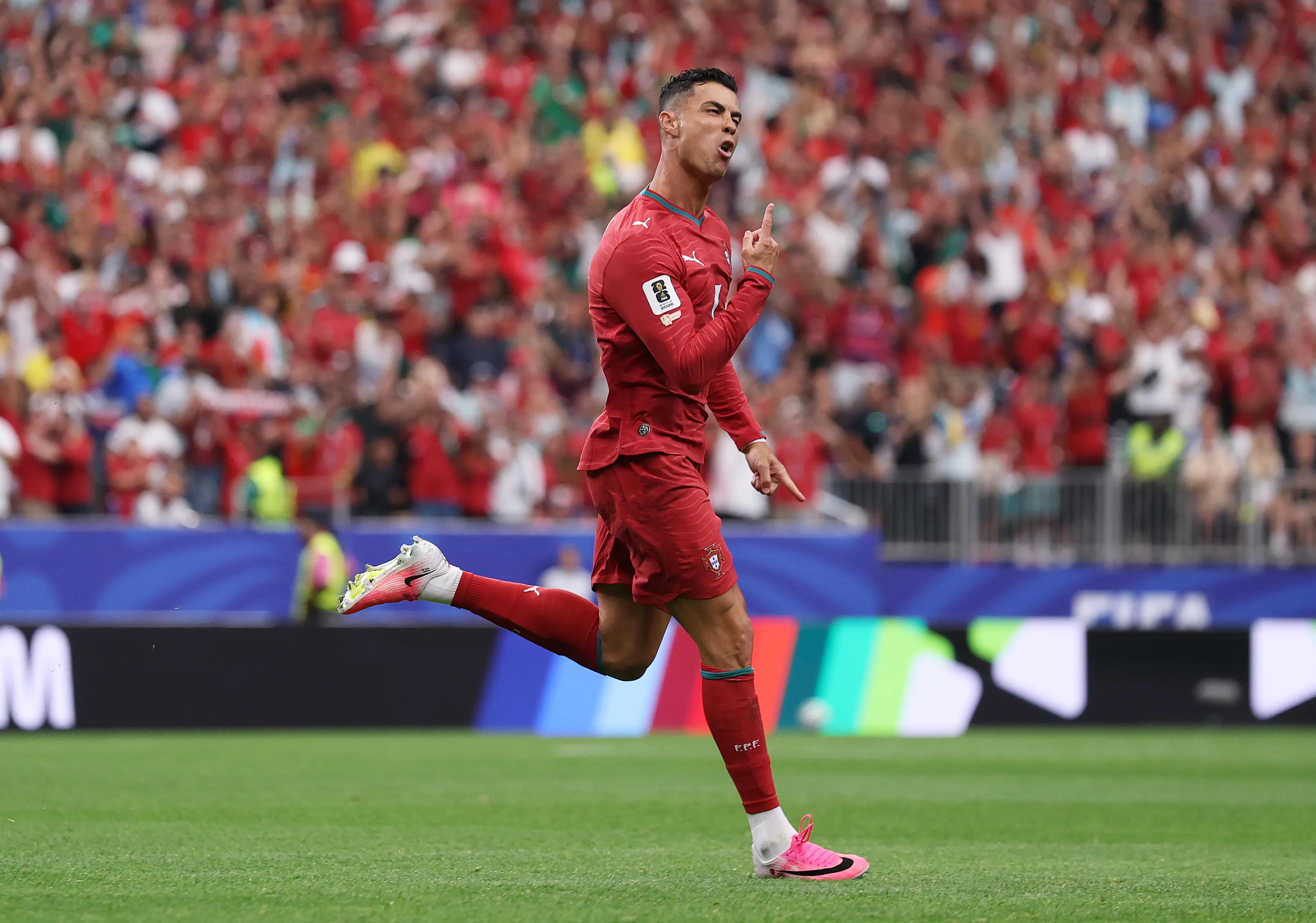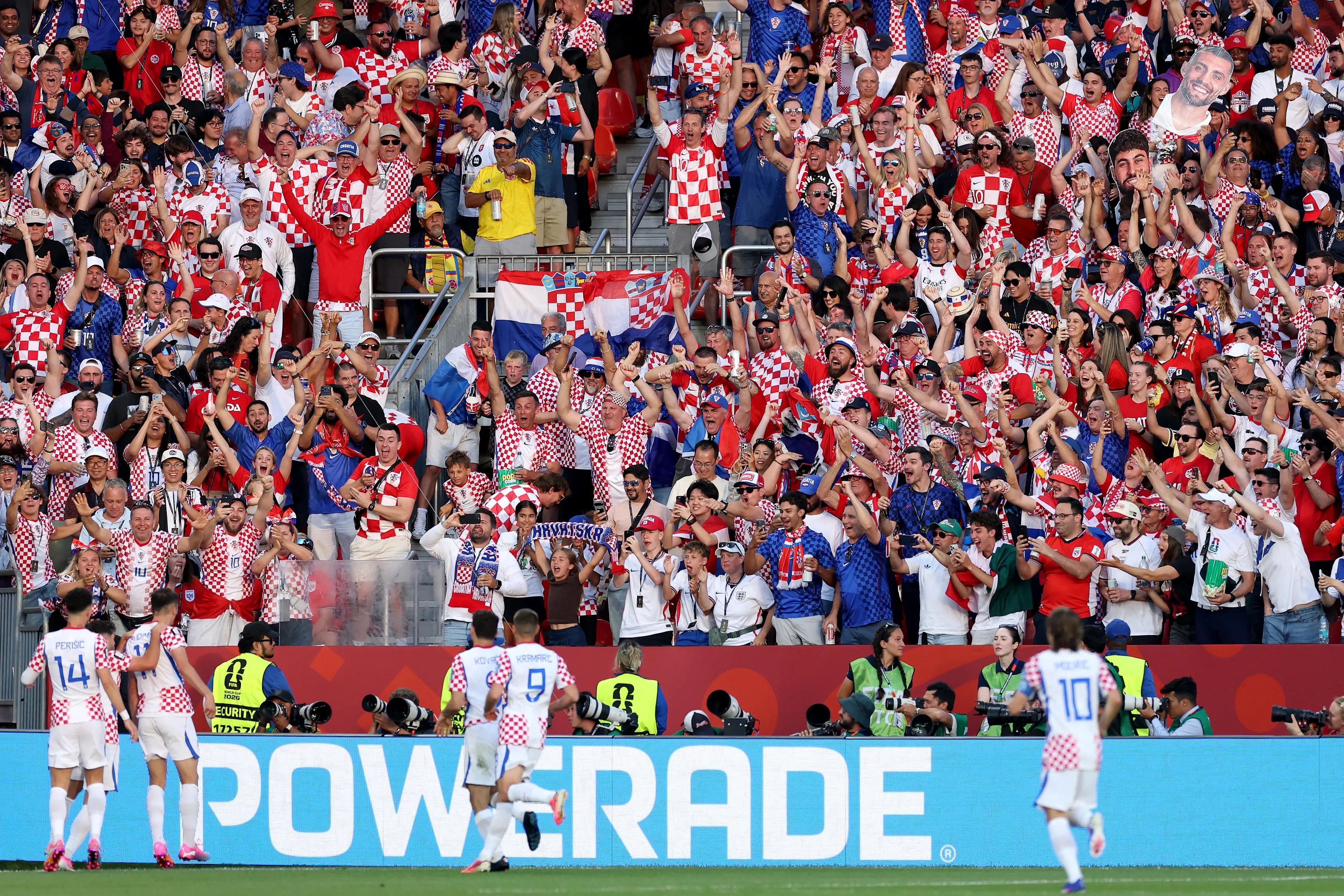
The Estadio Azteca in Mexico City witnessed a compelling encounter as Croatia faced Panama in what would become a defining moment of their 2026 World Cup campaign. Croatia, arriving with the pedigree of multiple tournament successes, displayed the tactical intelligence and technical excellence that has made them one of international football's most respected teams. Luka Modric, despite being forty years old, controlled the midfield with metronomic precision, his passing range and vision creating opportunities throughout the match. Panama's approach reflected the growth of Central American football over recent decades. Their defensive organization was disciplined and intelligent, frustrating Croatian attacks for extended periods. When Croatia finally broke through, it came through sustained pressure rather than individual brilliance — a team goal that showcased the patient build-up play the Vatreni have perfected. Panama's response demonstrated their character; rather than collapsing, they pushed forward with purpose, creating dangerous moments that tested Croatia's defensive resolve. The Croatian diaspora in North America created an atmosphere that belied the distance from Zagreb. Flags and songs filled sections of the stadium, supporters who had emigrated to the United States and Canada now witnessing their national team on their adopted continent. For these fans, the World Cup's presence in North America created unprecedented access, transforming distant dreams into tangible experiences. The emotional connection between diaspora and homeland, maintained through decades of separation, found expression in ninety minutes of football. The victory secured Croatia's advancement and maintained their reputation as tournament specialists. Panama, despite the defeat, had demonstrated that their football had evolved significantly since their 2018 debut. The gap between established powers and emerging nations continued to narrow, a trend that 2026's expanded format accelerated. Both teams left the pitch with their tournament journeys continuing, aware that World Cup narratives extend beyond single matches. This encounter highlighted the unique character of the 2026 tournament — the first hosted across three nations, the first with expanded participation. The logistics and geography created new possibilities for fan engagement, new challenges for teams adjusting to multiple venues and climates. Croatia and Panama had both adapted well, their performances reflecting preparation and professionalism. As the group stage progressed, such matches would accumulate into a tournament story that future World Cups would reference and learn from.
"Wheel of Fortune: Turn the wheel and fate reveals itself."