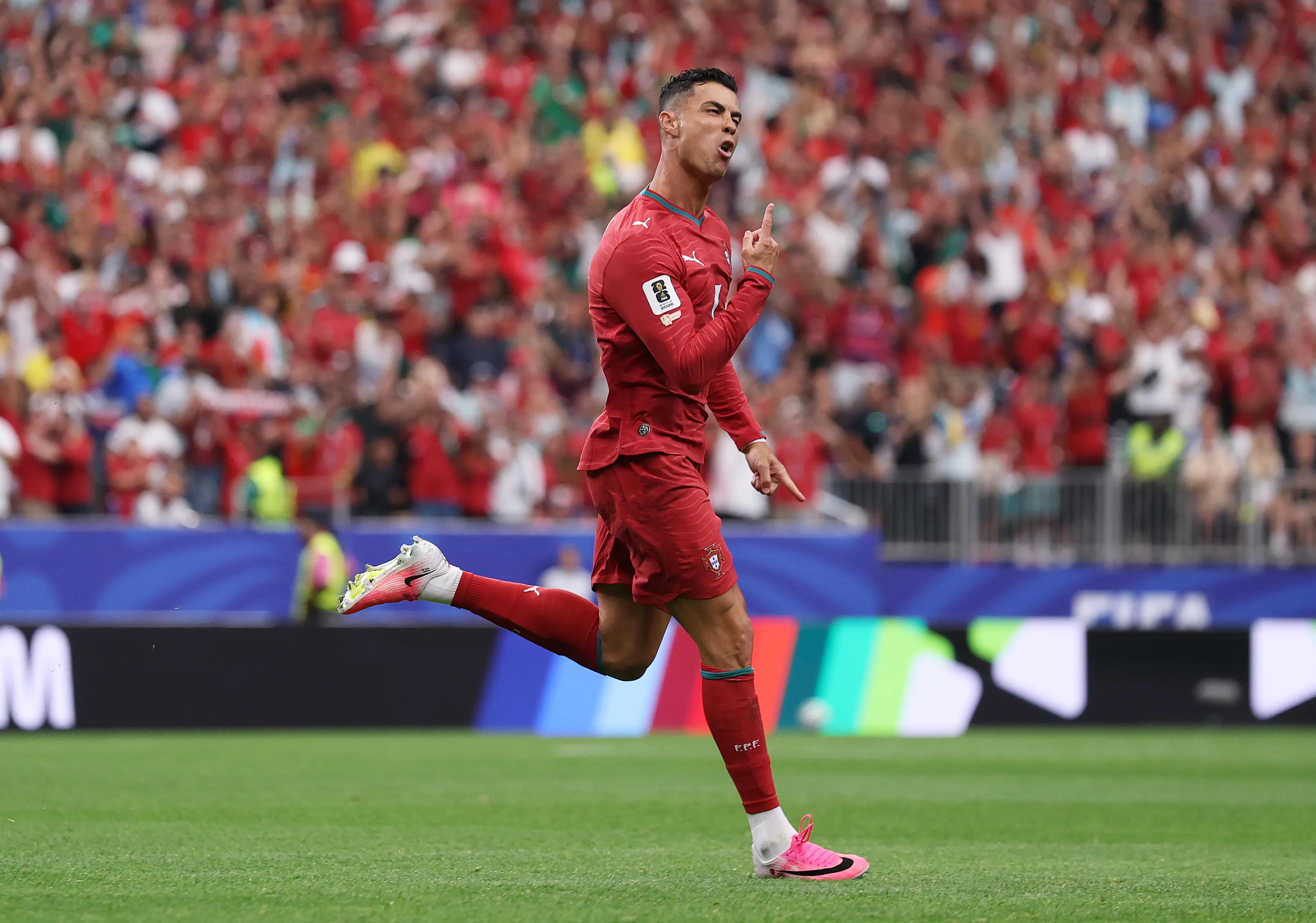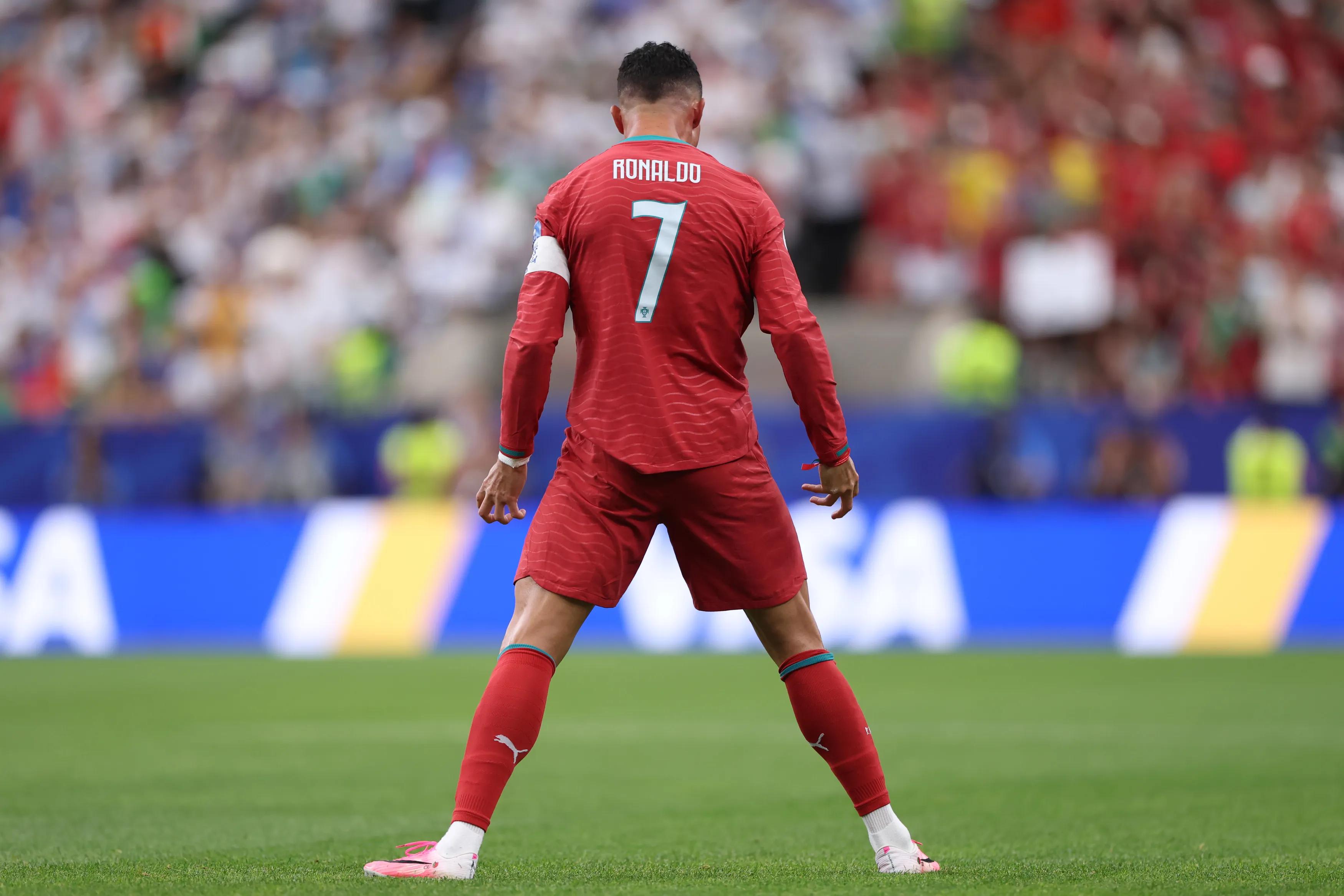
Cristiano Ronaldo stood at the center of MetLife Stadium, the New Jersey crowd roaring as he completed another chapter in his unprecedented career. At forty-one years old, the Portuguese icon had achieved what no player before him had managed — scoring in six consecutive World Cups. The goal against Uzbekistan was vintage Ronaldo: a perfectly timed jump, an aerial challenge won against a defender, a powerful header directed into the corner with precision that defied age. Uzbekistan had arrived at this World Cup with realistic ambitions, their Asian football pedigree providing foundation for competitive expectations. Their defensive organization frustrated Portugal for much of the match, limiting space and forcing patient build-up rather than direct attacks. Ronaldo, closely marked throughout, struggled initially to find the pockets of space where his movement could create danger. But persistence and intelligence eventually produced the moment that would define the match. The goal's significance extended beyond its impact on the game. It represented Ronaldo's defiance of conventional expectations about athletic decline. It demonstrated the value of professionalism, of the training and discipline that preserve abilities when natural advantages fade. Most importantly, it provided another data point in the ongoing debate about Ronaldo's place among football's greatest players. Each record, each achievement, each moment of quality adds weight to arguments that his career deserves recognition alongside any in the sport's history. Portuguese supporters in the stadium represented a diaspora that spans continents. From the Azores to California, from Lisbon to Toronto, Portuguese communities maintain connections to homeland through culture and football. The 2026 World Cup, hosted on North American soil, created opportunities for these communities to witness their national team without the logistical challenges of previous tournaments. Ronaldo's goal, celebrated by thousands who could finally attend in person, carried emotional weight beyond its competitive significance. After the match, Ronaldo addressed media with characteristic confidence. He spoke about records as motivators but emphasized that team success remained paramount. Portugal had won, had progressed, had demonstrated the quality that made them contenders. His personal achievement was noted, appreciated, celebrated — but it existed within the context of collective ambition. The World Cup, he understood, ultimately rewards teams rather than individuals, and Portugal's journey remained ongoing. The Uzbekistan players, despite the defeat, had competed with dignity. Their qualification for the tournament represented Asian football's continued growth, and their performance against Portugal demonstrated they belonged at this level. The gap between continents and footballing traditions was closing, match by match, tournament by tournament. Ronaldo's record-breaking goal occurred within this broader context — a moment of individual brilliance in a tournament that reflected football's expanding global reach.
"The Magician: Skill and cunning will decide the outcome."