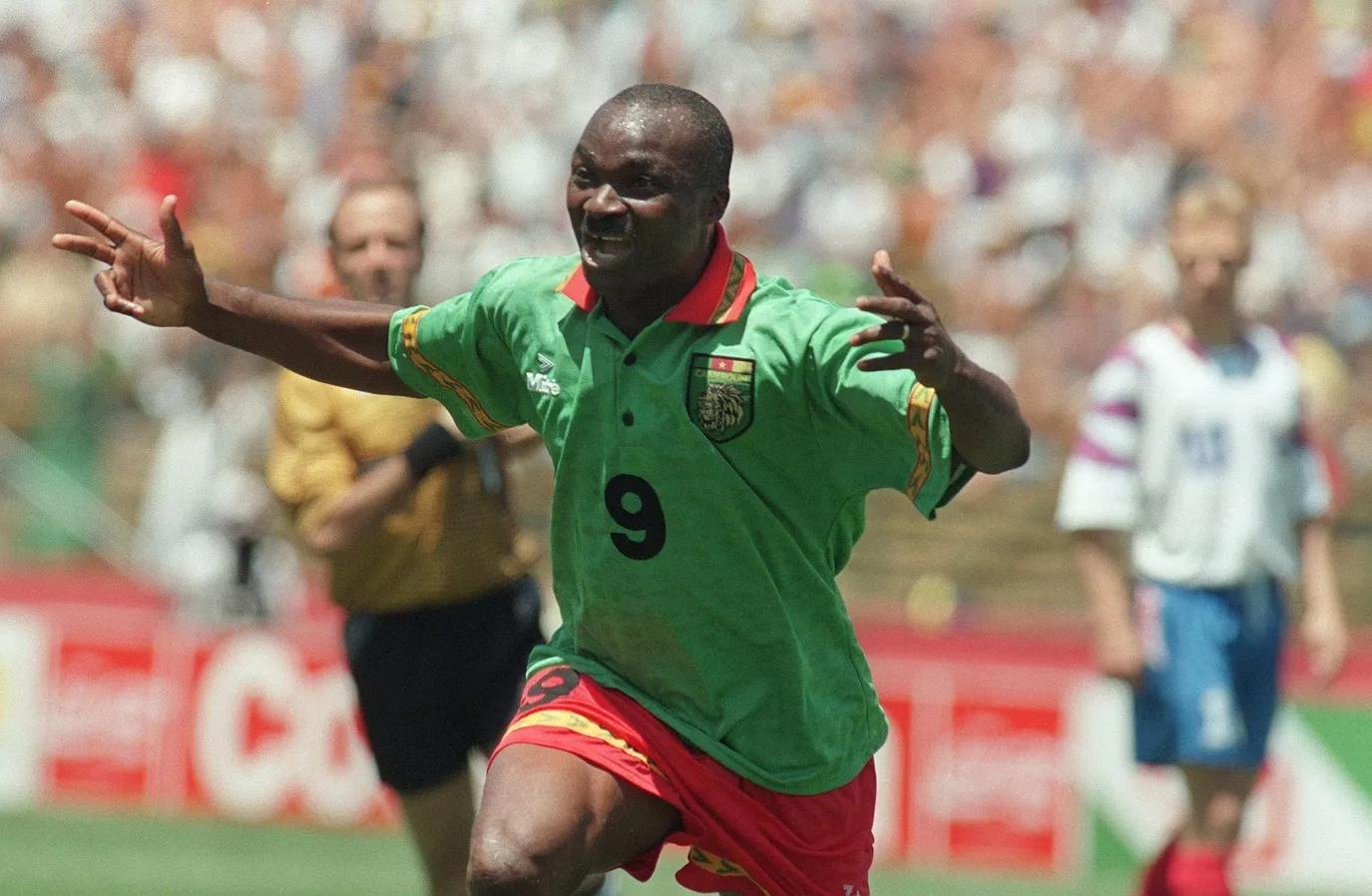
The analysis of oldest World Cup goalscorers revealed fascinating patterns about athletic longevity and competitive adaptation. Players who score at advanced ages demonstrate particular qualities — maintained technical skills, intelligent movement, accumulated wisdom that compensates for physical decline. The 2026 tournament added new examples to this category, with several older players contributing goals that challenged expectations. Their achievements demonstrated that age, while limiting certain capabilities, doesn necessarily prevent quality contributions. Professional dedication and tactical intelligence can preserve effectiveness even as natural advantages fade. Historical context enriched contemporary examples. Players like Roger Milla, who scored at forty-two in 1990, established benchmarks that subsequent generations reference. The comparison between eras reveals both similarities and differences — modern training methods, tactical systems, opponent qualities all influence how age impacts performance.
"The Tower: A sudden change reshapes destiny."