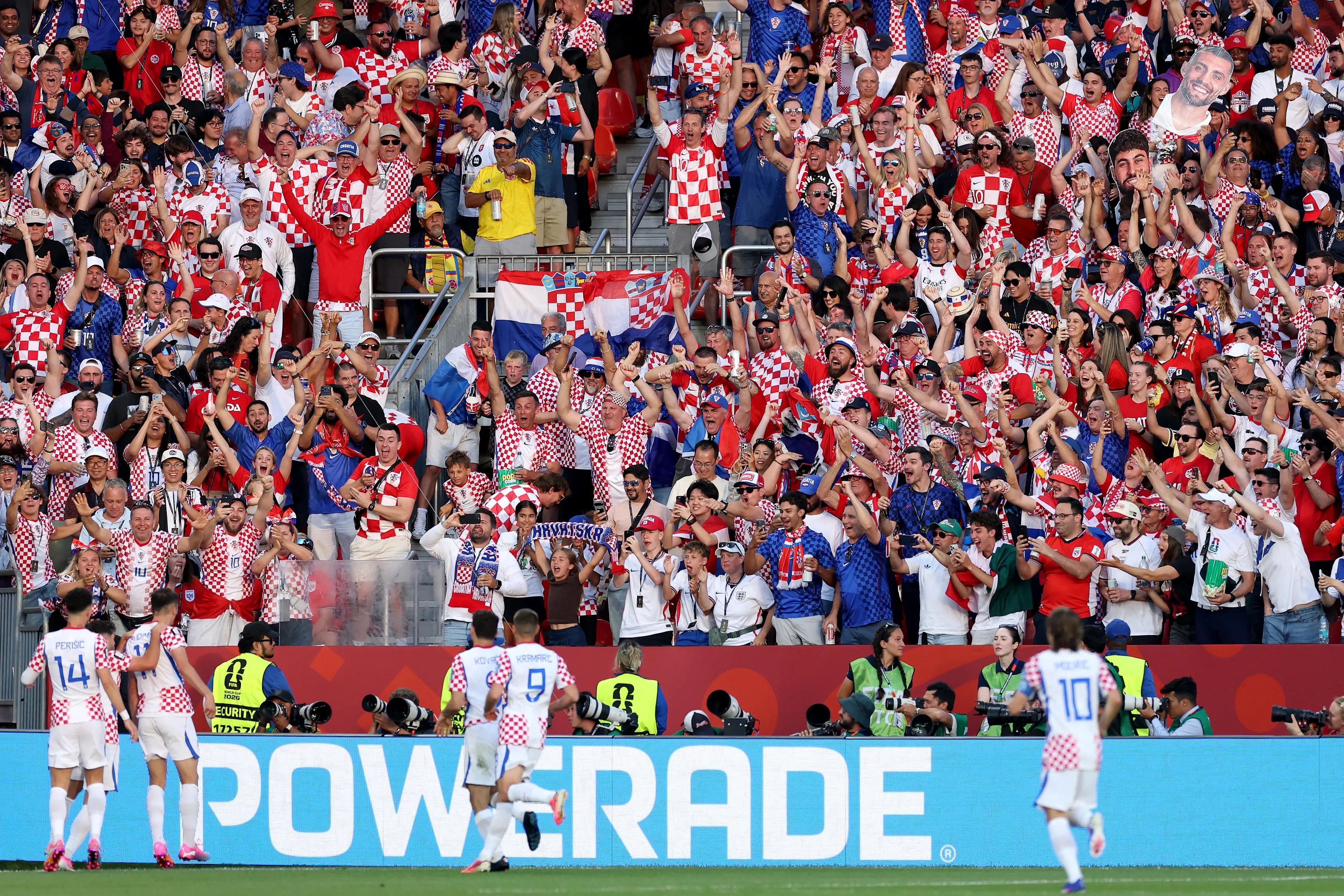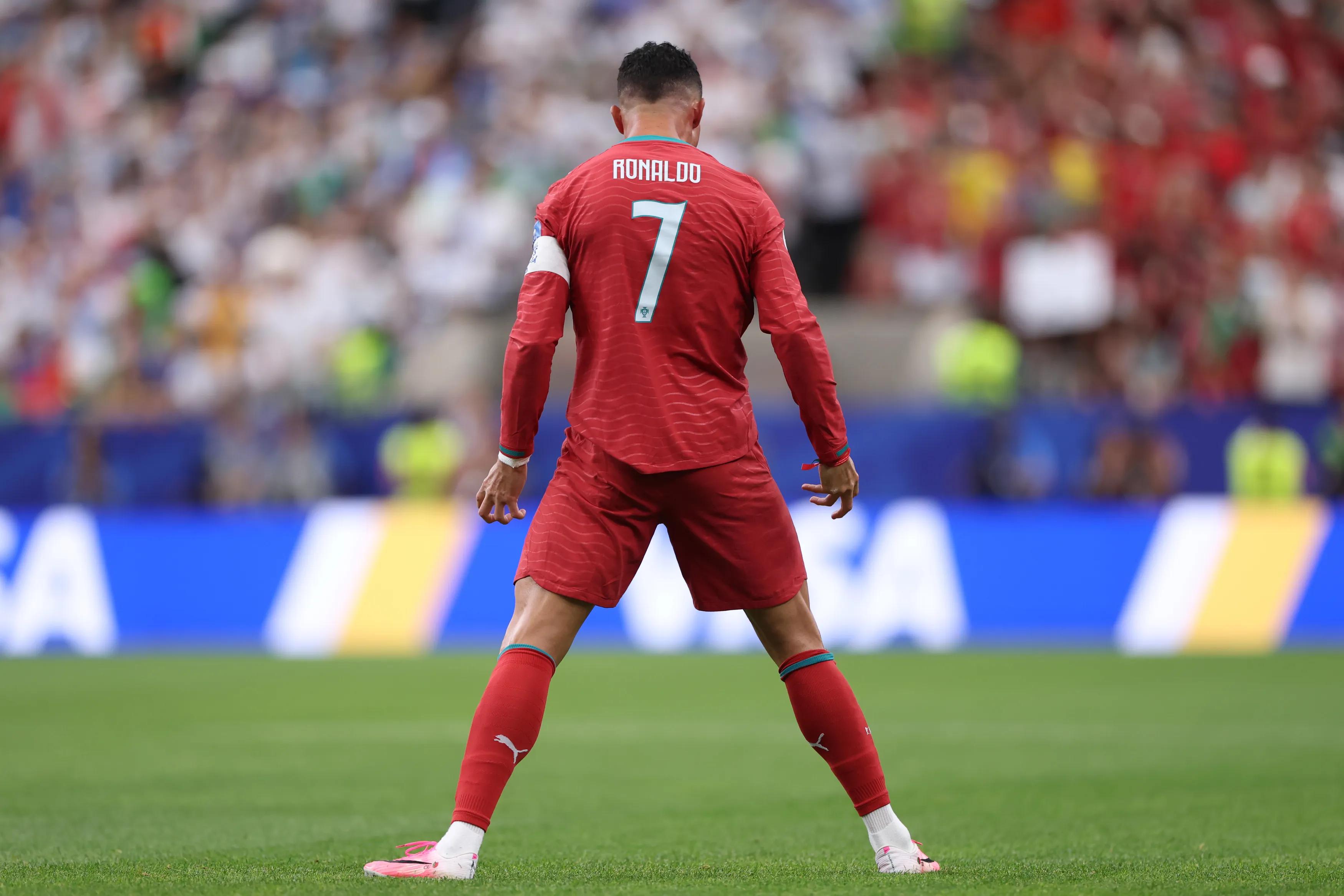
The substitution board showed the number nine as the seventy-third minute approached in Toronto Stadium. Germany's manager had exhausted tactical options, his team trailing by a single goal with tournament progression at stake. The player who emerged from the tunnel carried expectations that decades of German football excellence had created, but also the burden of recent disappointments that had shadowed the nation's football identity. Germany's 2026 campaign had been marked by resilience rather than dominance. Their group stage performances had shown quality without convincing authority, suggesting a team capable of excellence but struggling to achieve consistent execution. This match against Sweden presented elimination scenarios that German football rarely faces, the possibility of early tournament exit creating pressure unfamiliar to players raised on historical certainty. The player who entered, a twenty-two-year-old striker named Lukas, had spent the tournament as an observer. His preparation had been intense but without competitive application, training sessions providing development that matches had not confirmed. The opportunity that Toronto's seventy-third minute offered represented career transformation, the chance to convert preparation into performance at the tournament's most critical moment. Sweden's defensive organization had frustrated Germany for over an hour. Their structure was disciplined, their pressing intelligent, their positioning designed to deny the space that German creativity sought to exploit. The substitution disrupted this equilibrium, introducing a different profile that Swedish preparations had not anticipated. Lukas's movement patterns, developed through youth system education rather than professional experience, created questions that established defenders struggled to answer. The goal came in the eighty-seventh minute, late enough to qualify as dramatic intervention. Lukas received possession on the right channel, drove toward the penalty area with directness that bypassed Swedish midfield screening, and delivered a finish that combined power with placement. The Toronto crowd erupted, German supporters who had maintained belief through difficult moments now vindicated by the substitute's intervention. The victory's significance extended beyond immediate advancement. It demonstrated German football's capacity to adapt, to find solutions when established approaches fail, to rely on youth when experience proves insufficient. Lukas's goal became narrative shorthand for tournament resilience, proof that preparation persists even when opportunity delays. Germany's World Cup story continued, the substitute's contribution ensuring that elimination remained hypothetical rather than actual.
"Death: One team's era ends, another begins."