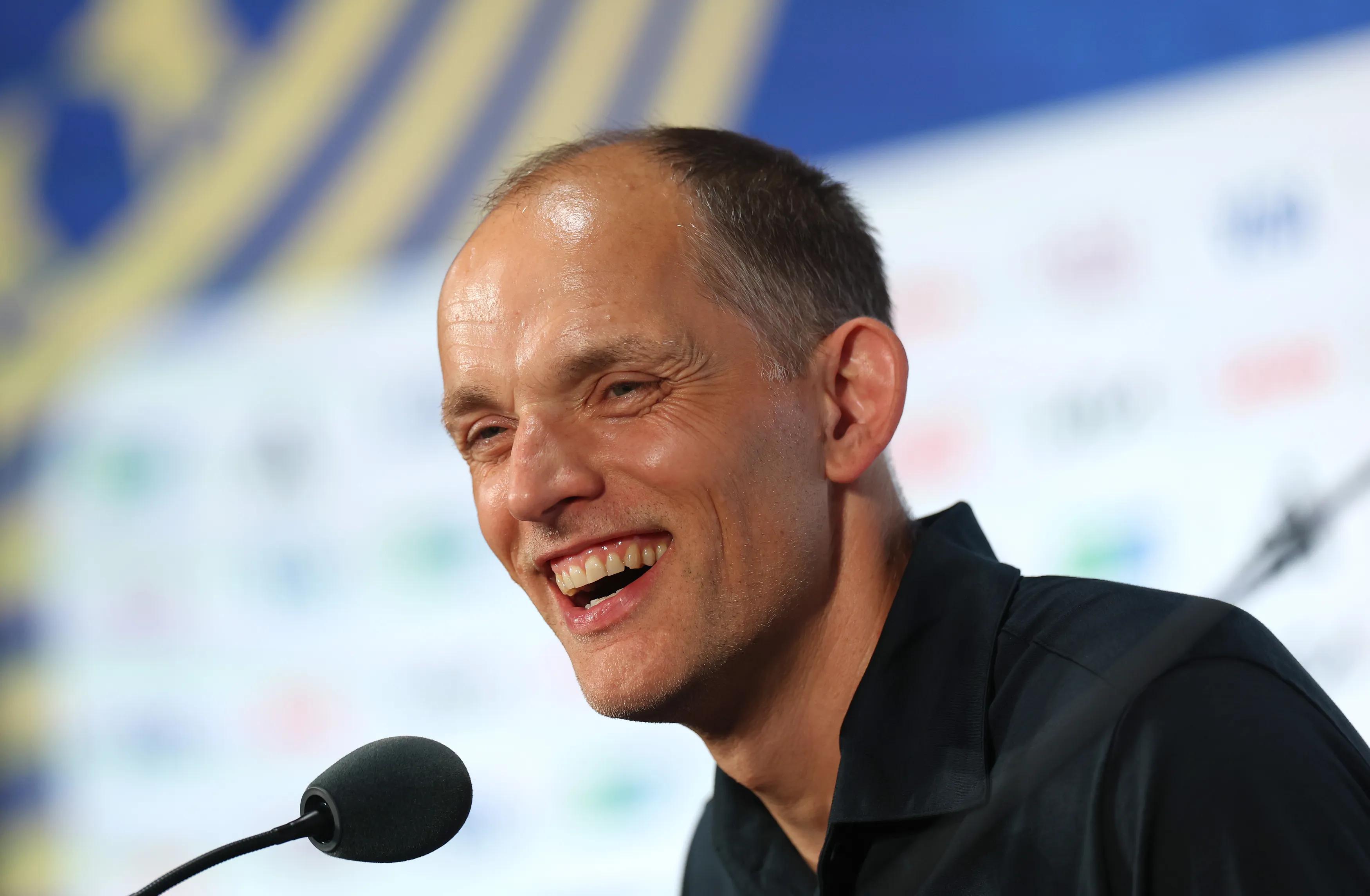
The Norwegian dressing room in Seattle's stadium had transformed into an emotional sanctuary that evening. Manager Erling Dahl, a fifty-three-year-old whose football career had spanned playing and coaching across European leagues, stood before his players as they prepared for their decisive group stage encounter. His words were not tactical instructions or motivational cliches; they were personal testimony about what Norwegian football had endured and what this tournament opportunity represented. Norway's qualification for the 2026 World Cup had required overcoming obstacles that few football nations face. Their football infrastructure, limited by climate and geography, had developed through persistence rather than resources. The players who listened to Dahl's speech understood this context intimately, their own journeys reflecting the challenges that Norwegian football confronted. But the World Cup's expanded format had provided opportunity, and Norway had seized it through disciplined preparation. Dahl spoke about 1998, the last time Norway had participated in a World Cup, and about the intervening decades of absence that had shaped Norwegian football's identity. He mentioned specific players, specific matches, specific moments that Norwegian football culture preserved as teaching examples. His speech was not oratory designed for cameras; it was intimate communication between mentor and students, words meant only for the room's occupants. The stadium's acoustics, however, carried Dahl's voice beyond the dressing room walls. Supporters in nearby corridors heard fragments, enough to understand the emotional intensity within. Social media quickly amplified these glimpses, Norwegian fans who had traveled to Seattle sharing what they had overheard. The speech became tournament narrative, demonstrating that elite football contains moments of genuine emotional connection rarely visible to external observers. Norway's performance against Brazil validated Dahl's preparation. Their tactical approach combined defensive discipline with calculated attacking moments, the strategy reflecting careful analysis of Brazilian strengths and vulnerabilities. Brazil's technical superiority created pressure throughout, but Norway's organizational commitment maintained competitive balance. The match ended in a draw, sufficient for Norwegian advancement, the result confirming that Dahl's emotional speech had translated into focused execution. After the final whistle, Norwegian players gathered around Dahl in a moment that cameras captured and distributed globally. The embrace was not celebration of victory but recognition of shared achievement, players acknowledging that their manager's leadership had prepared them for exactly this moment. Seattle's crowd, initially neutral, applauded the Norwegian team's departure, understanding that they had witnessed something genuine in elite football's often manufactured emotional landscape.
"The Emperor: Authority commands the field."