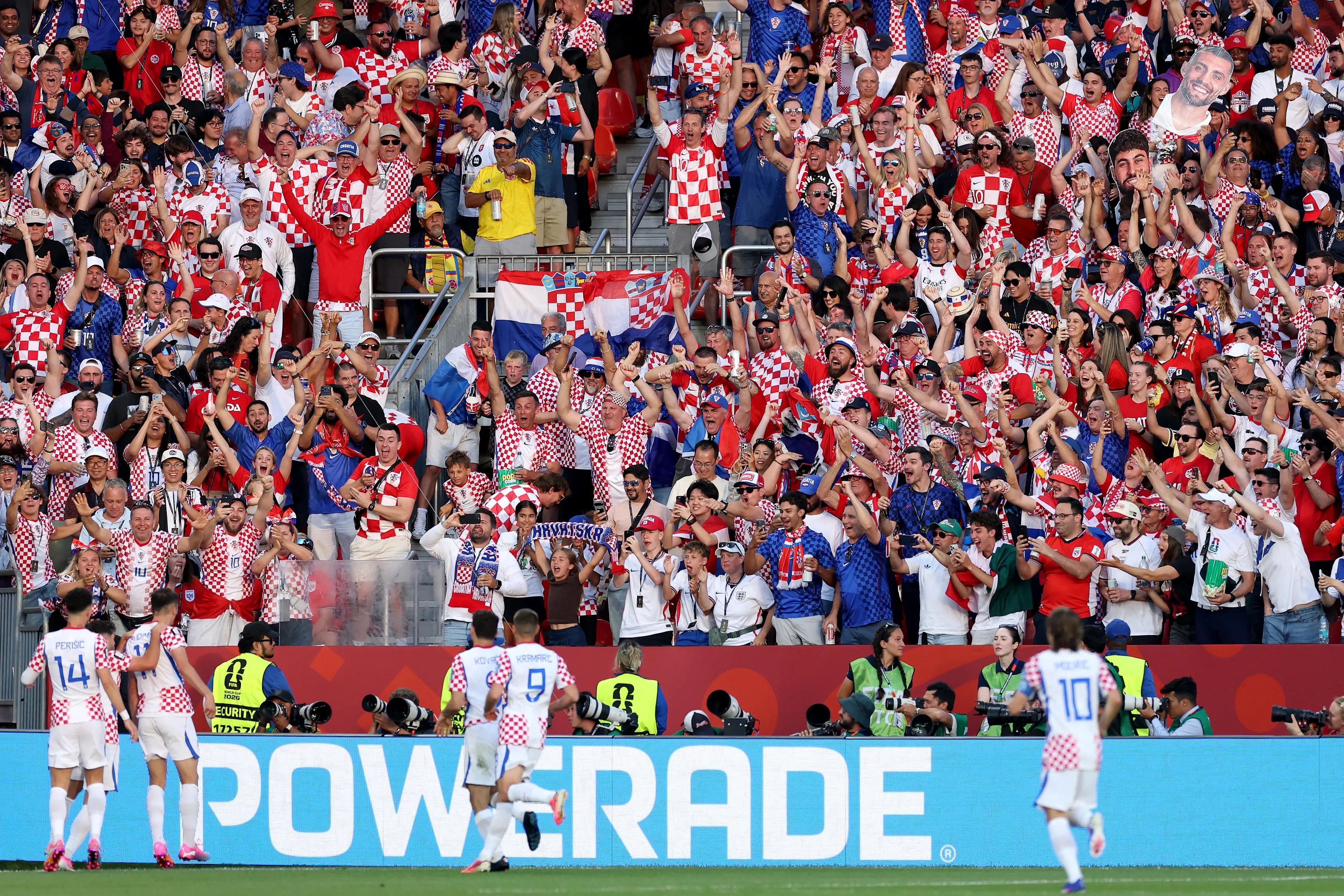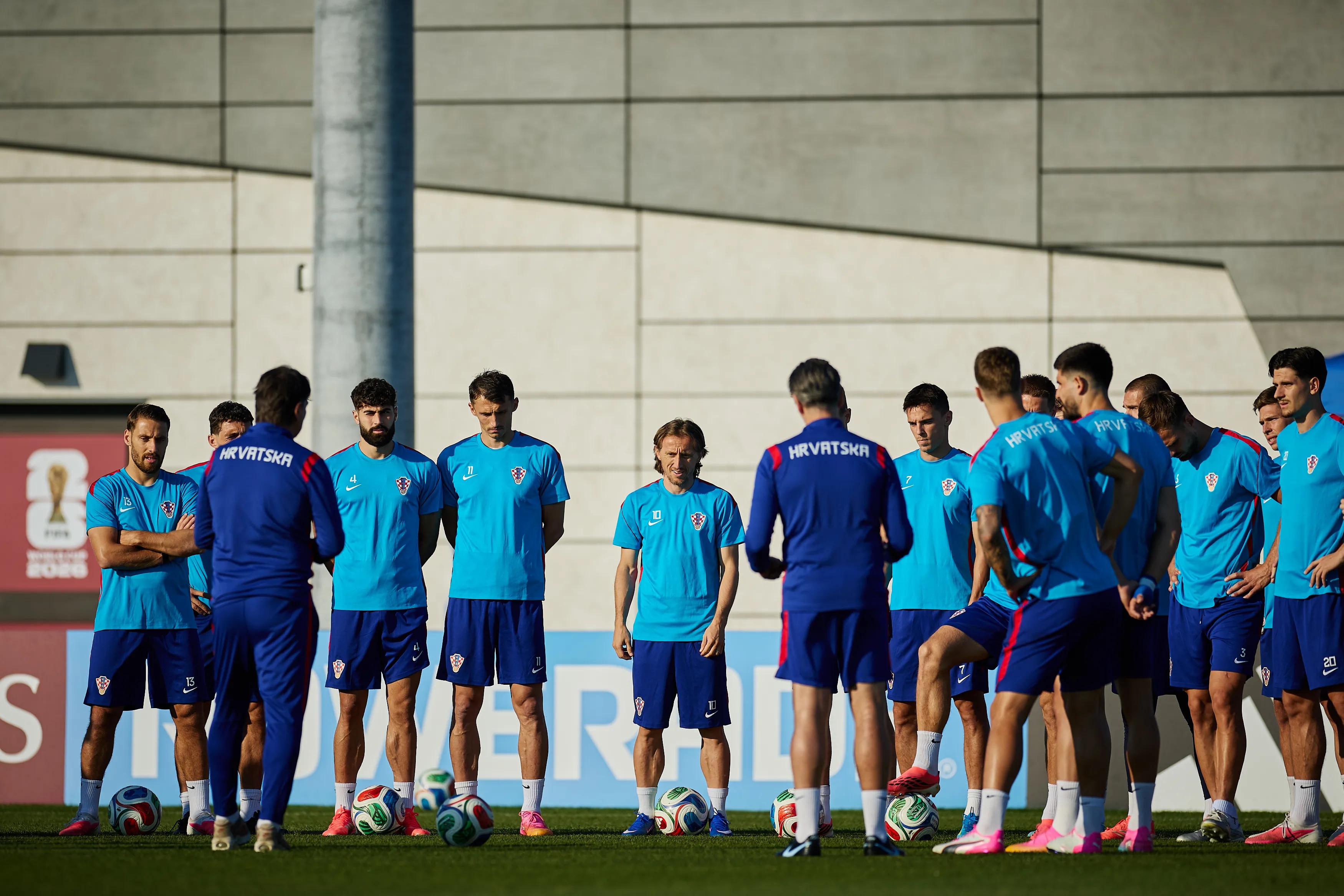
Luka Modric stood at the center of Vancouver's BC Place Stadium, preparing for Croatia's knockout stage encounter with Sweden. At forty years old, his presence in Croatia's starting lineup represented medical impossibility, tactical necessity, and cultural significance that statistical records could not fully capture. Modric's continued international career defied conventional expectations about athletic decline, his performances maintaining quality that younger players struggle to achieve. Croatia's 2026 World Cup campaign had been built around Modric's continued contribution. Their tactical approach relied on his midfield control, his capacity to organize possession and distribution that creates attacking opportunity while maintaining defensive structure. Younger teammates operated within frameworks Modric established, their roles defined by relationship to his central authority rather than independent function. Sweden's tactical preparation acknowledged Modric's influence extensively. Their pressing patterns targeted his possession zones, their defensive positioning attempted to deny space that his distribution requires, their counter-attacking structure sought to exploit moments when Modric's positioning created vulnerability. This focused attention demonstrated Modric's continued impact — opponents preparing specifically to neutralize his influence, recognizing that Croatia's effectiveness depends on his operational freedom. The match unfolded with Modric executing exactly the control that Croatia's approach requires. His positioning was perpetual rather than static, movement that created options for teammates while confusing Sweden's pressing intentions. His distribution combined precision with vision, passes that reached intended targets while simultaneously creating advantageous positioning for subsequent phases. Modric's performance was not spectacular in highlight terms; it was foundational, the essential structure that enables spectacular moments from others. Croatia's victory validated their continued reliance on Modric. The result, achieved through disciplined execution of his midfield control, demonstrated that age limitations do not automatically translate into performance decline when medical excellence and tactical adaptation combine. Modric's forty-year-old presence in Croatia's World Cup knockout stage became statistical anomaly, but the match's evidence confirmed that his contribution remains essential to Croatian success. After the match, Modric addressed his age and future with characteristic humility. He acknowledged the medical and training investments that enable continued performance, thanked Croatia's staff for adaptation that supports his operational requirements, and emphasized that individual persistence matters less than team achievement. Croatia had won, had advanced, had demonstrated qualities that tournament progression requires. Modric's history-making presence was significant but subordinate to collective success that the World Cup ultimately rewards.
"Temperance: Moderation brings harmony."