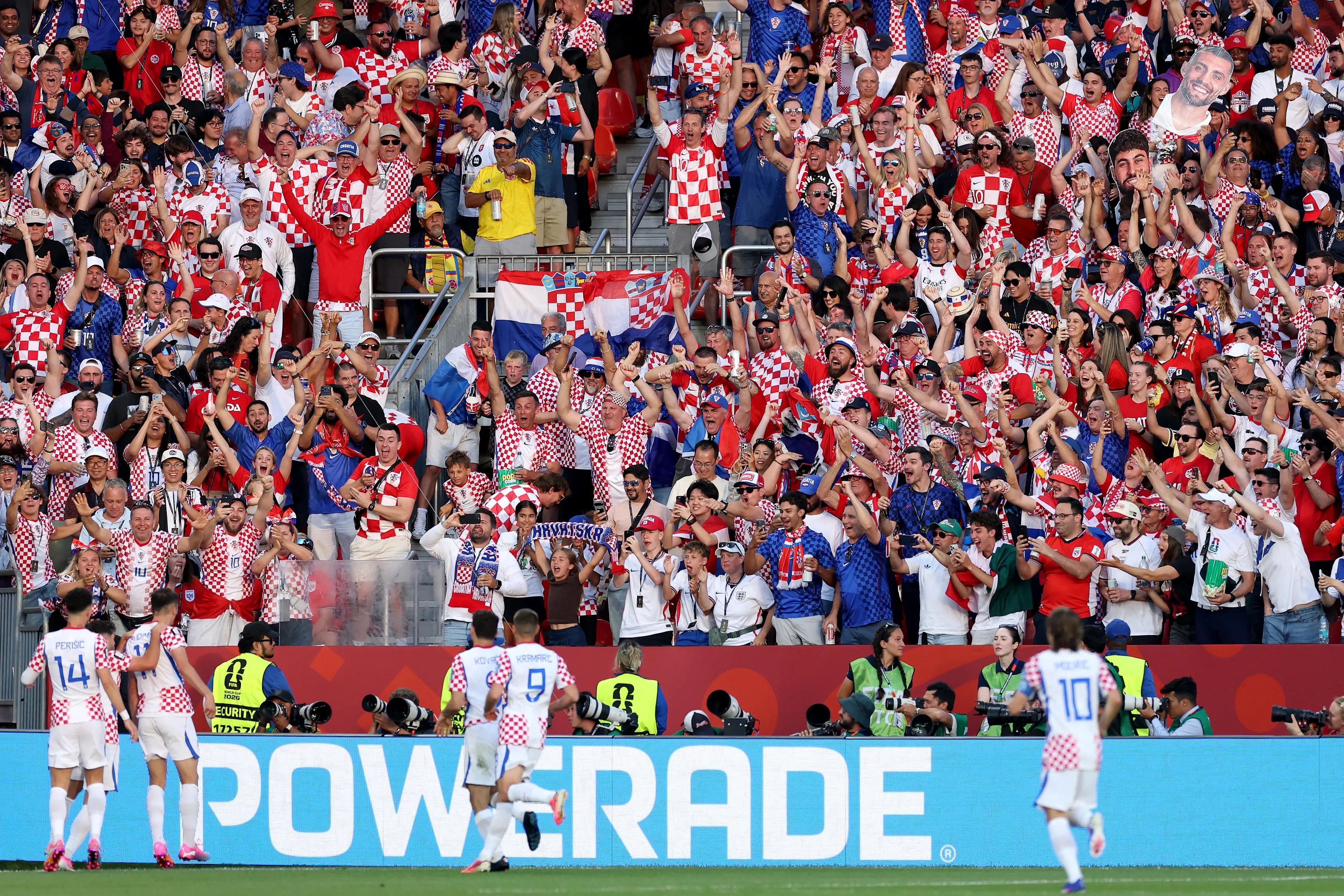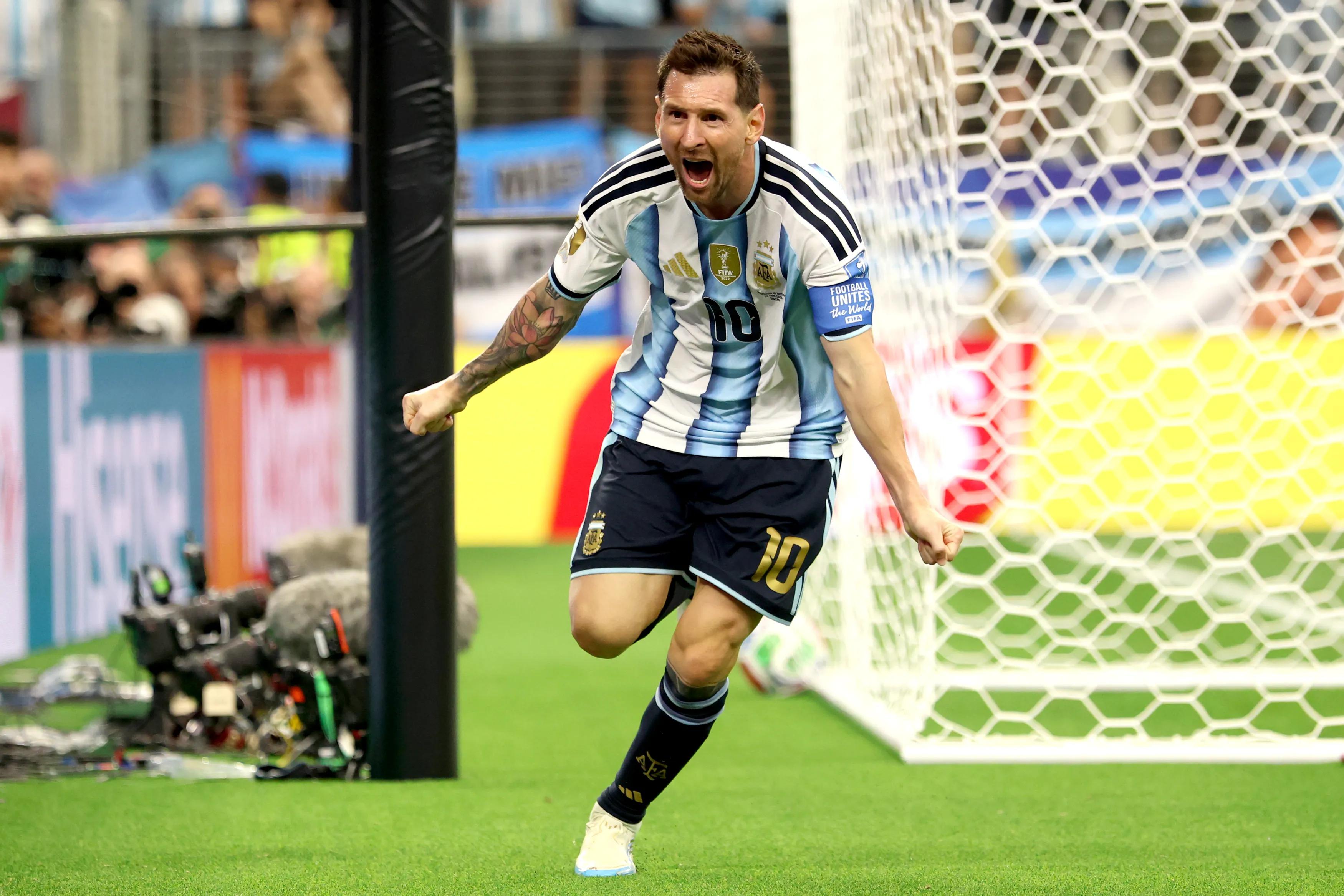
The statistical marker that Lionel Messi achieved in Houston Stadium's sixty-seventh minute transformed discussion about his career into historical certainty. His goal against Nigeria, precisely executed with technique that decades of professional development had refined, elevated Messi's World Cup scoring tally into territory that previous football generations could not imagine. The record books now required revision, Messi's name entering statistical regions that previous legends approached but never reached. Argentina's match against Nigeria provided context appropriate for Messi's milestone achievement. Nigeria's football history includes World Cup encounters with Argentina that have generated significant moments, their defensive approach traditionally testing Argentine creativity. The sixty-seventh minute goal that Messi scored emerged from exactly such testing, Argentina's possession patterns probing Nigerian organization until space materialized for Messi's intervention. The goal itself demonstrated Messi's technical evolution across six World Cup appearances. His movement to receive the pass was economical rather than elaborate, positioning that anticipated trajectory without requiring extensive adjustment. His first touch controlled the ball's arrival while simultaneously creating shooting angle, efficiency that eliminated defensive response time. His finish combined power with placement, the ball's path precisely calculated to bypass goalkeeper positioning while maximizing goal frame coverage. Houston's Argentine diaspora celebrated Messi's achievement with intensity that matched the milestone's significance. Supporters who had traveled from across North America witnessed statistical history in person, their presence reflecting the World Cup's unique 2026 setting. These fans, connected to Argentina through heritage maintained across decades of diaspora life, now shared moments that previous World Cups' distant locations had denied. Post-match analysis inevitably focused on Messi's statistical standing. Commentators compared his World Cup goal tally with historical benchmarks, noting that his achievement transcended previous records while acknowledging that statistical context differs across football eras. Messi's career, spanning six World Cups across eighteen years, represented sustained excellence that single-tournament achievements cannot match. Messi himself addressed the record with characteristic restraint. He acknowledged the achievement's significance while emphasizing that team success remained paramount. Argentina had won, had progressed, had demonstrated the collective qualities that World Cup advancement requires. His personal record was noted, appreciated, celebrated — but it existed within Argentina's ongoing tournament journey rather than defining that journey's purpose. Messi's understanding of this hierarchy reflected maturity that extraordinary achievement cannot corrupt, his perspective maintaining balance between individual excellence and collective objective.
"The Tower: A sudden change reshapes destiny."