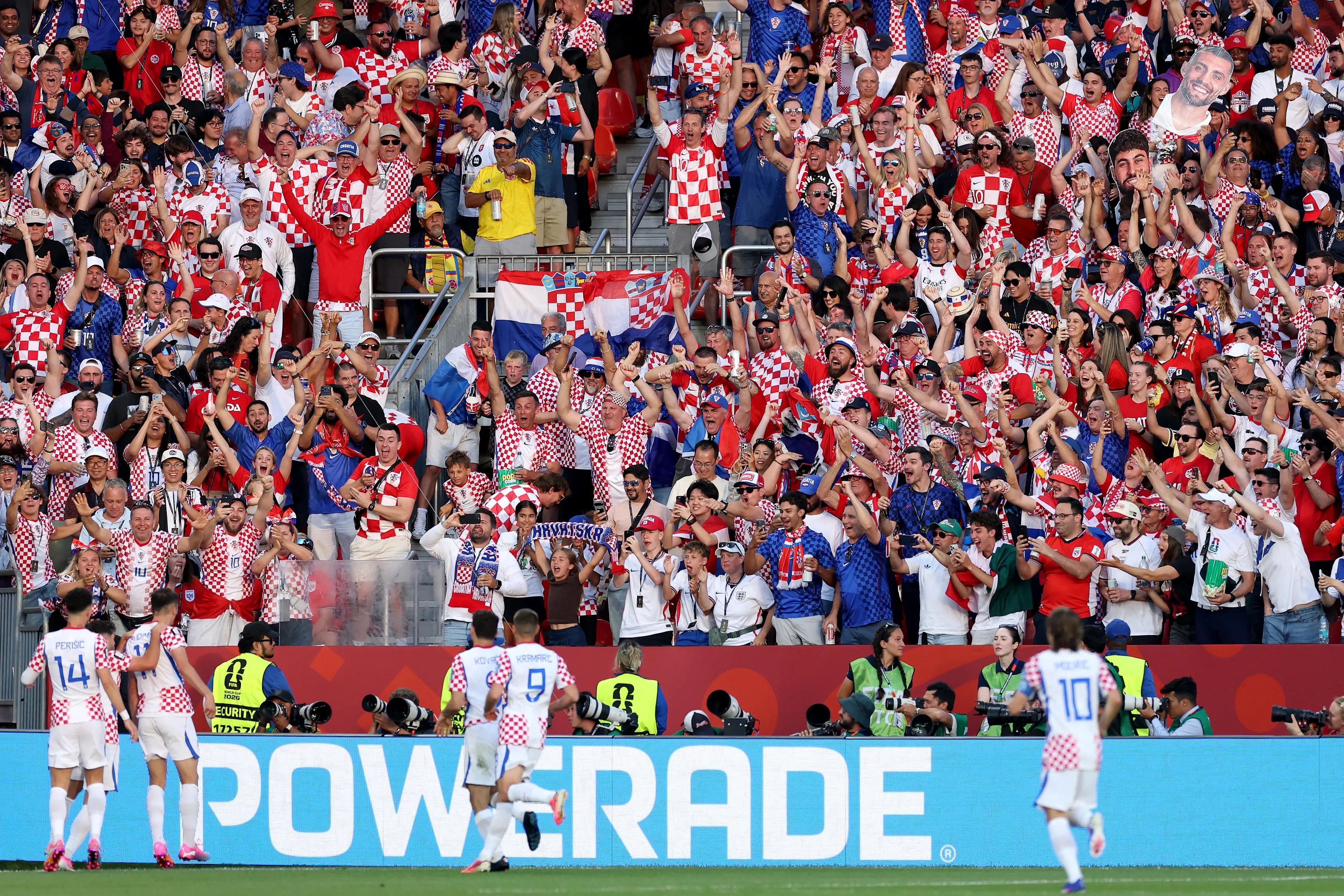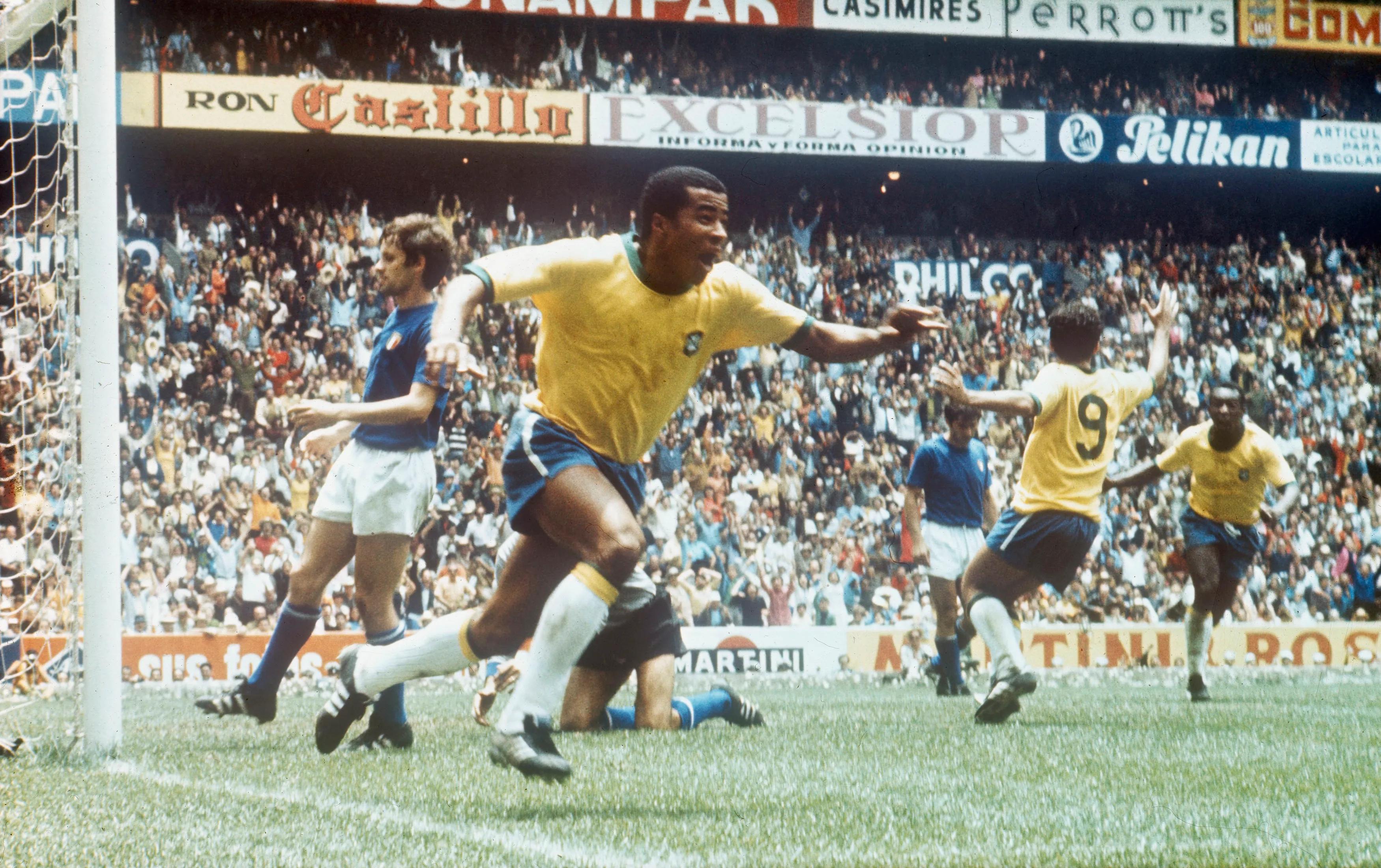
Lionel Messi's pursuit of Jairzinho's 1970 World Cup scoring streak created narrative tension throughout Argentina's knockout stage encounters. Jairzinho's achievement — scoring in every match of Brazil's 1970 World Cup campaign — represented concentrated excellence that fifty-six years of subsequent tournaments had not replicated. Messi's 2026 performances had approached this benchmark, his goals accumulating across Argentina's progression with consistency that invited historical comparison. The match against Portugal in Newark's MetLife Stadium provided opportunity for Messi to achieve the streak's extension. Argentina's tactical approach had been designed throughout the tournament to create scoring opportunities for Messi, their possession patterns and movement structures specifically constructed to manufacture the space that his finishing requires. Portugal's defensive organization, however, presented obstacles that Argentina's previous opponents had not offered. Portugal's preparation acknowledged Messi's streak pursuit extensively. Their defensive structure concentrated on denying space in the zones where Messi typically operates, their pressing patterns targeting possession circulation that creates his shooting opportunities. This focused attention demonstrated the streak's significance — opponents preparing specifically to prevent historical achievement, recognizing that Messi's scoring consistency threatened Jairzinho's legendary benchmark. The goal arrived in the nineteenth minute, early enough to generate celebration but requiring quality that Portugal's defensive concentration demanded. Messi received possession on the left channel, his movement creating separation from Portugal's midfield screening through acceleration that bypassed positional coverage. His finish combined precision with power, the ball's trajectory calculated to bypass goalkeeper positioning while maximizing goal frame coverage. The goal extended Messi's streak, his World Cup scoring now spanning every Argentina match in the 2026 campaign. Newark's multicultural crowd celebrated Messi's achievement with intensity matching its historical significance. Argentine and Portuguese diaspora communities created atmosphere reflecting the World Cup's North American setting, their support combining familiar football traditions with venue characteristics unique to this tournament. Messi's streak extension occurred within this cultural environment, his personal achievement resonating across supporter communities that recognized its historical weight. Post-match analysis focused inevitably on Jairzinho's 1970 benchmark. Commentators noted that Messi's streak now matched the Brazilian legend's achievement in terms of consistency, though tournament format differences prevented direct statistical comparison. Jairzinho's six goals in six matches represented concentrated excellence within compressed tournament structure; Messi's streak across 2026's expanded format demonstrated sustained quality across more extensive opportunity. The comparison generated debate about whether format differences invalidate statistical benchmarks or whether consistency across any format constitutes comparable achievement. Messi addressed the streak with characteristic restraint, acknowledging the achievement while emphasizing Argentina's tournament objectives. The streak was significant, appreciated, celebrated — but it remained subordinate to collective success that the World Cup ultimately rewards. Argentina had won, had progressed, had demonstrated qualities that advancement requires. Messi's scoring consistency contributed to these outcomes without constituting their purpose, his understanding of this hierarchy reflecting maturity that personal achievement cannot corrupt.
"The Star: Destiny favors the bold tonight."