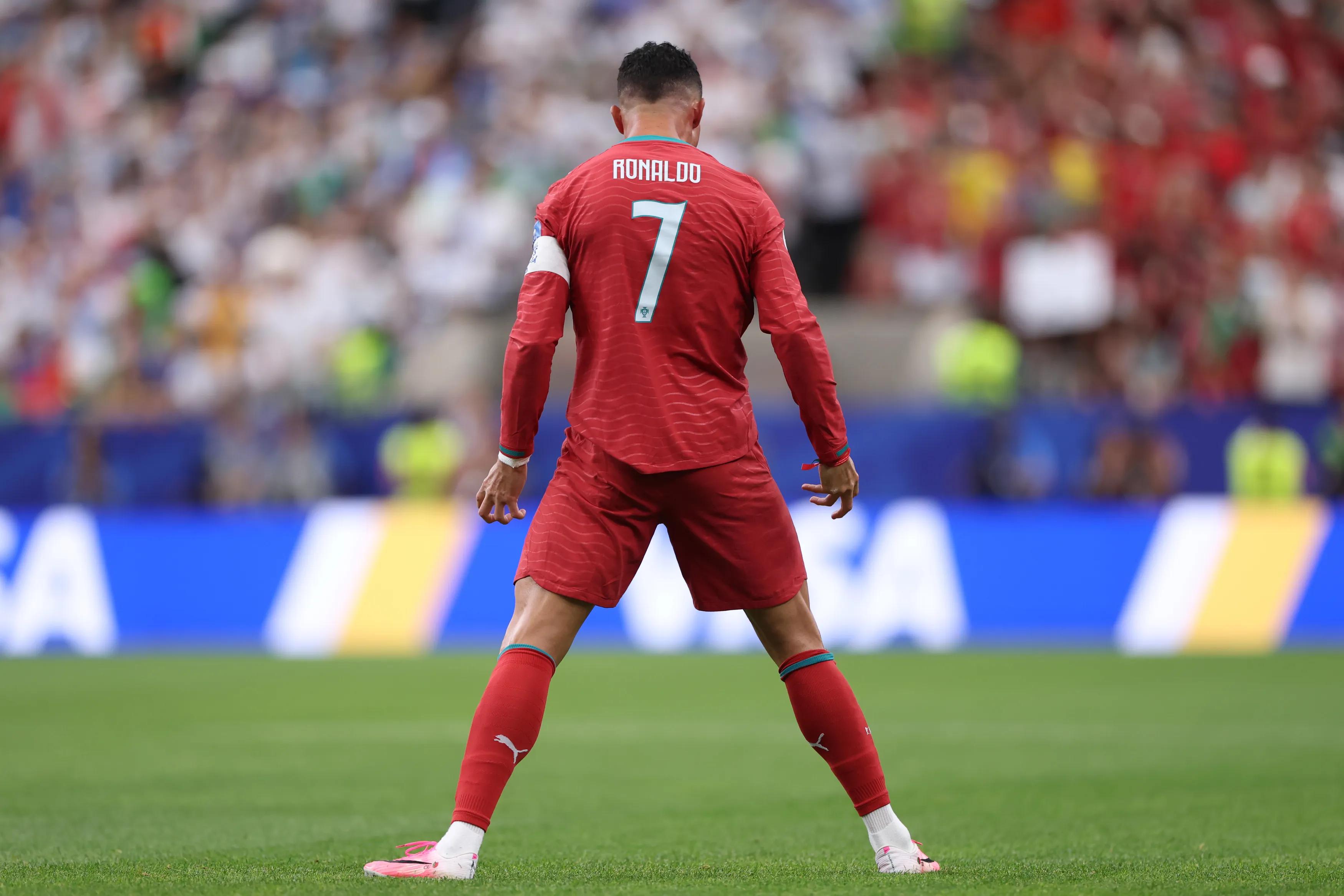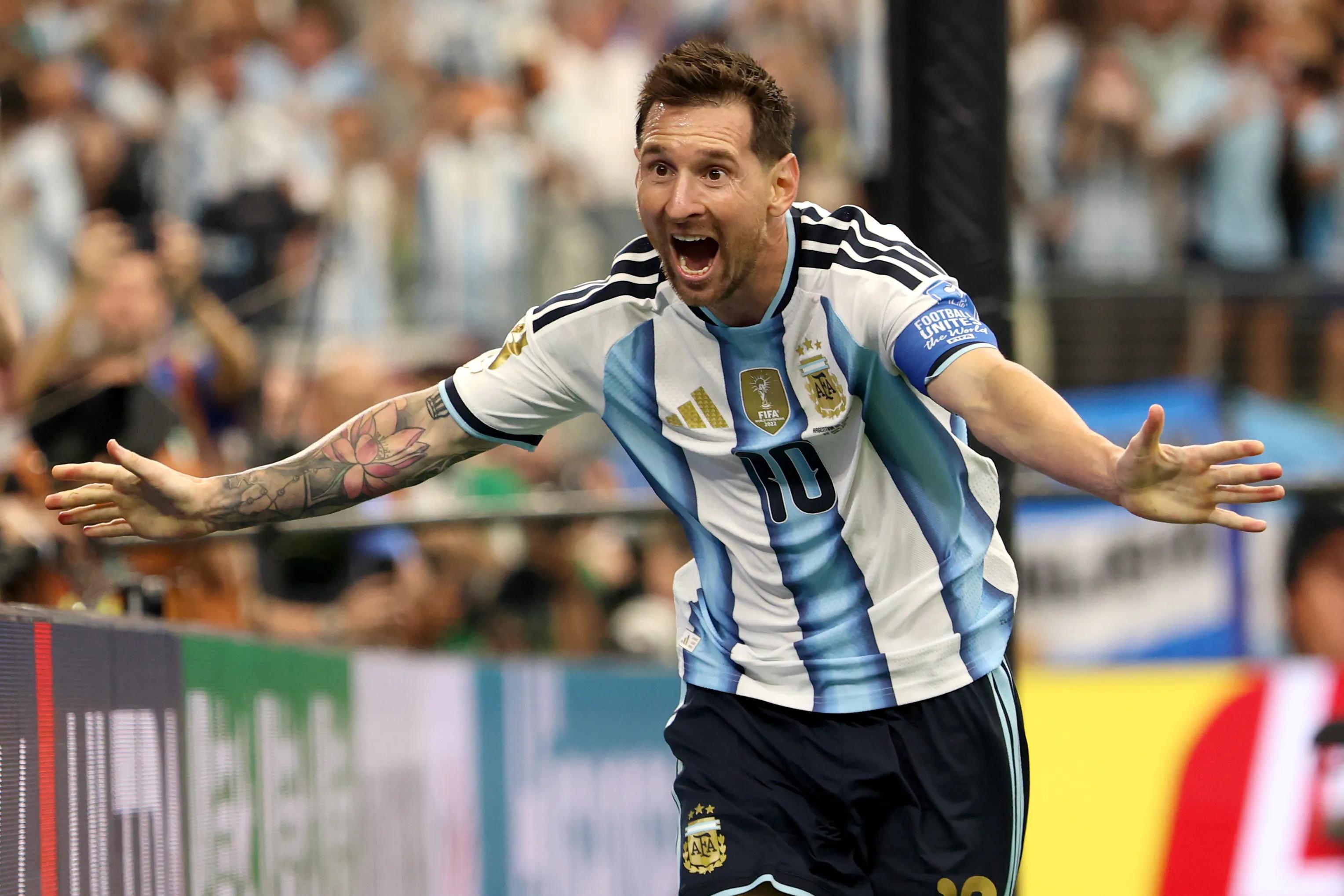
The World Cup's goalscoring records trace football's evolution across nine decades, each generation producing marksmen who defined their eras. From Gino Colaussi's brace in 1938's final to Miroslav Klose's sixteen-goal accumulation across four tournaments, the progression reveals how tactical systems, tournament formats, and player development have shaped opportunities for goalscoring greatness. Just Fontaine's thirteen goals in 1958 remain arguably the most remarkable individual World Cup achievement. The French striker, playing through injury with shoes specially modified to accommodate pain, scored in every match. That single tournament tally hasn't been approached in subsequent editions, despite expanded formats providing more matches. Fontaine's achievement occurred when football was less systematic, when defenses were less organized, when individual brilliance could dominate collective preparation. Gerd Muller's fourteen goals across 1970 and 1974 demonstrated different qualities. The German's predatory instincts, his ability to find space in congested penalty areas, his clinical finishing from limited opportunities, represented goalscoring evolution. Muller wasn't merely talented; he was systematic, understanding positioning and movement patterns that maximized chance creation. His approach influenced generations of strikers who studied his methods. Ronaldo Nazario's fifteen goals, accumulated across three tournaments despite career-threatening injuries, told story of resilience. The Brazilian's physical decline through the 1990s and 2000s didn't prevent World Cup contribution. His 2002 tournament, eight goals leading Brazil to victory, represented comeback from years of rehabilitation. Ronaldo proved that natural talent, when combined with determination, could overcome physical limitations. Miroslav Klose's record sixteen goals, achieved through four tournaments across twelve years, demonstrated longevity's value. The German striker wasn't spectacular; he was consistent. His goals emerged from intelligent movement, understanding of tactical systems, willingness to perform limited but essential roles. Klose's record reflects patience and professionalism, qualities that sustain careers across multiple World Cups. 2026's expanded format, providing more matches for successful teams, creates opportunity for new record challenges. Players like Lionel Messi and Cristiano Ronaldo, already with substantial World Cup tallies, could add significantly through additional tournament participation. But the record's evolution tells broader story - how football has changed, how opportunities have shifted, how different eras produce different goalscoring archetypes.
"The Magician: Skill and cunning will decide the outcome."