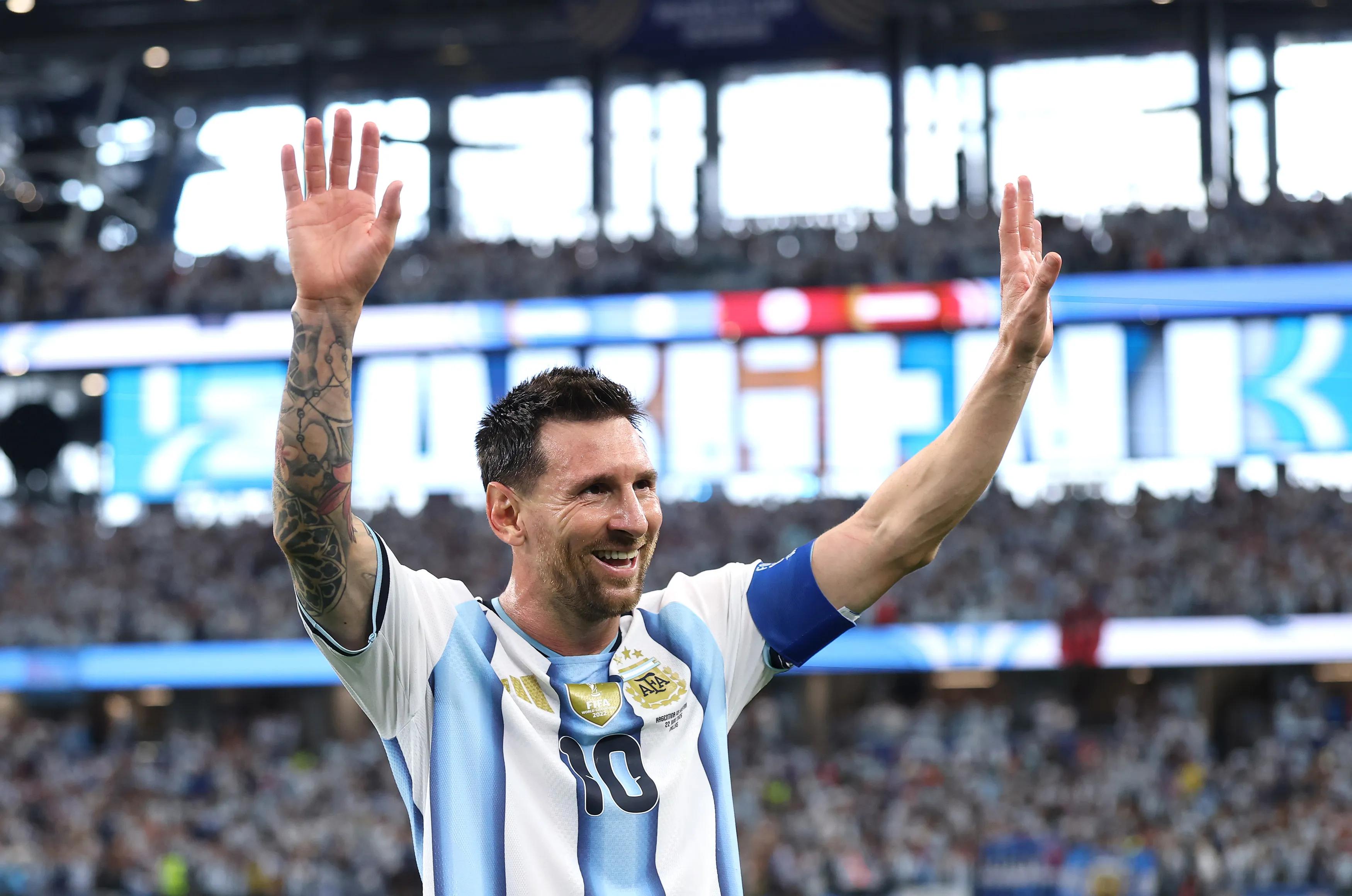
World Cup victory counts reveal fascinating patterns about team success and individual contributions across tournament history. Players who accumulated numerous wins didn't necessarily possess superior individual quality; they belonged to dominant teams during specific eras, their personal statistics reflecting collective achievement rather than isolated brilliance. Brazilian players dominate victory rankings, reflecting their nation's historical tournament success. From 1958 through 1970, Brazil won three World Cups, players appearing across multiple tournaments accumulating substantial victory counts. The 1970 squad, considered perhaps the greatest international team assembled, featured players whose World Cup careers spanned victorious campaigns. Their individual win statistics reflected team dominance rather than personal superiority. German players similarly feature prominently in victory rankings. West Germany's consistent competitiveness from 1954 through 1990 produced players with substantial win counts. Miroslav Klose's sixteen World Cup matches included thirteen victories, his participation across 2002, 2006, 2010, and 2014 reflecting German reliability. Klose's statistics weren't merely individual achievement; they represented team culture that produced results across generations. The victory statistics illuminate interesting patterns. Players from historically successful nations accumulate wins through team quality rather than individual distinction. A competent German or Brazilian player, appearing across two or three tournaments, will likely accumulate more victories than a brilliant individual from a less successful nation. The statistics measure opportunity and context as much as quality. Argentina's recent success, particularly 2022's victory, has added substantial win counts to players' records. Lionel Messi's World Cup victories accumulated through Qatar 2022's successful campaign, his total reflecting Argentina's tournament progression rather than isolated brilliance. The collective achievement produces individual statistics. 2026's expanded format creates new dynamics. More matches for successful teams mean victory counts will increase rapidly. Players reaching finals through the tournament's additional rounds could accumulate six or seven victories in single campaigns. Historical comparisons become complicated when format changes alter opportunity structures. The victory rankings, while interesting, require contextual interpretation - understanding that team success produces individual statistics, that era and format influence opportunity, that counting wins tells stories about teams more than individuals.
"Justice: Balance shall be restored on the pitch."