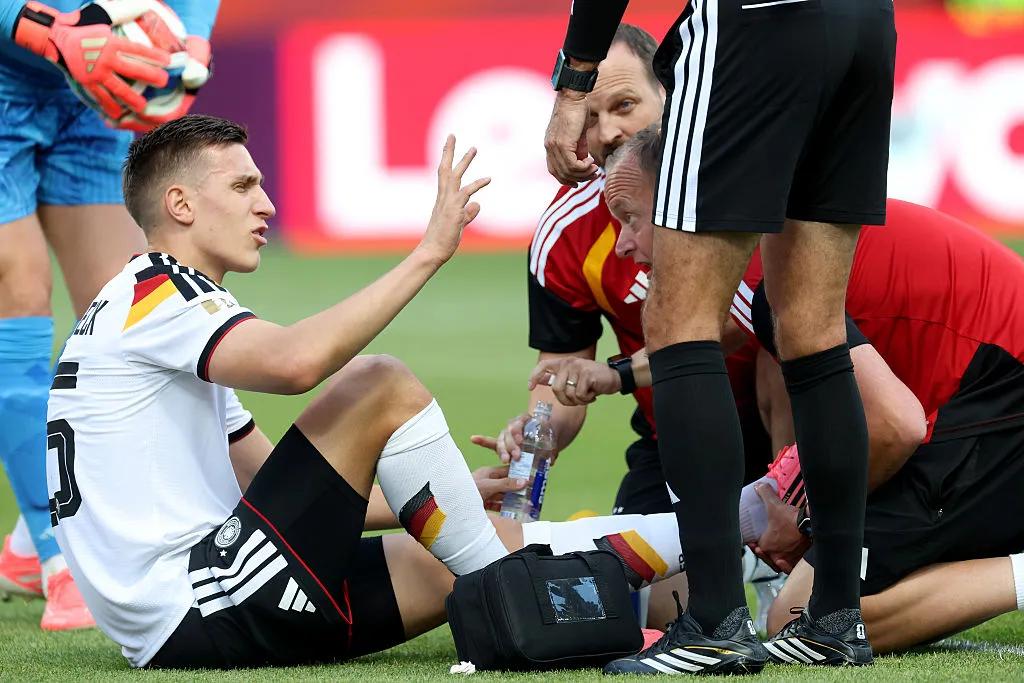
Nico Schlotterbeck's World Cup elimination through injury sent ripple effects through German tactical preparation that extended far beyond individual absence. The Borussia Dortmund defender, established as German defensive cornerstone through qualification and pre-tournament preparation, had been positioned as essential component of Germany's 2026 campaign structure. His removal from squad, announced through medical assessment that confirmed injury severity, forced immediate tactical reconsideration. Schlotterbeck's value to German system extended beyond technical capability. His understanding with defensive partners, developed through months of international preparation, had produced communication patterns and positional coordination that tournament success required. Defensive organization isn't merely individual quality; it's collective understanding developed through repetition and shared experience. Schlotterbeck's injury disrupted coordination that preparation had established. German medical staff had attempted rehabilitation protocols that might enable tournament participation. Schlotterbeck himself had pushed through training attempts, his desperation to participate evident to teammates. But medical assessment ultimately proved definitive: participation risked permanent damage, the injury requiring extended recovery that World Cup intensity would prevent. German management, prioritizing player welfare despite competitive pressure, accepted necessary absence. Tactical adjustment followed Schlotterbeck's removal. German coaching staff redesigned defensive structures, incorporating different personnel combinations, testing alternative partnerships through remaining preparation time. The disruption wasn't merely replacing one player; it was reestablishing collective coordination with limited time before tournament commencement. Schlotterbeck watched Germany's tournament matches from German camp, unable to participate but remaining present. His presence, while not providing defensive contribution, offered emotional support to teammates. The psychological impact of his injury extended beyond tactical disruption; teammates processed absence while maintaining competitive focus. Germany's World Cup journey continued without Schlotterbeck, the team adapting to necessary changes. But his injury reminded of tournament fragility - how preparation can be disrupted by circumstances beyond control, how squad depth becomes essential when key players become unavailable, how World Cup campaigns require resilience beyond tactical planning. Schlotterbeck's absence, while not preventing German progression, created challenges that tournament navigation had to address.
"The Sun: Brilliance shall shine through."