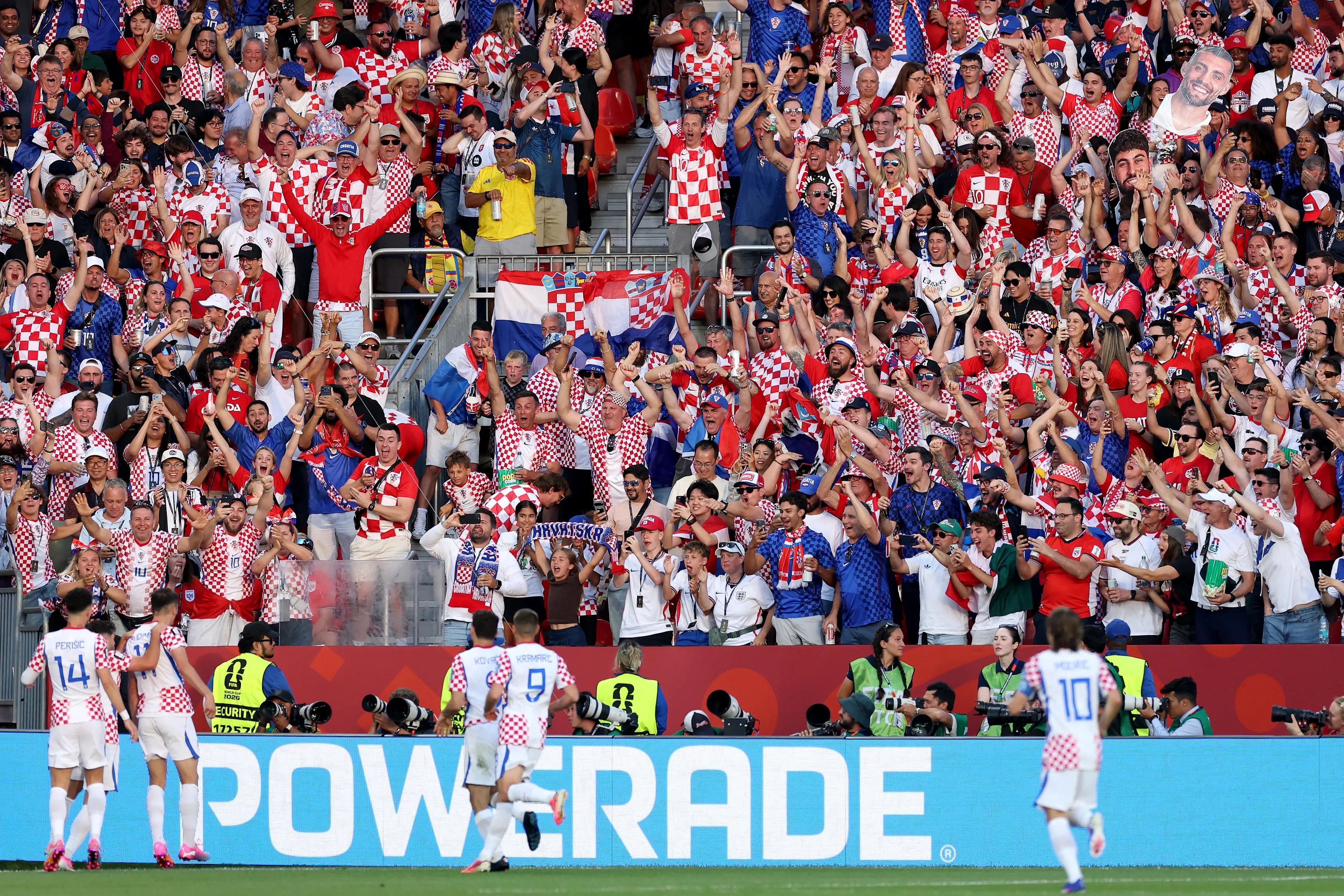
England's position atop their group entering final qualification assessment reflected campaign execution that had exceeded pre-tournament expectations. Thomas Tuchel's systematic approach, implemented through qualification and tournament preparation, had produced results that positioned England favorably for extended tournament progression. The Round of 32, expanded tournament's first knockout phase, approached with England as pace-setters. England's group stage performance had demonstrated qualities that pre-tournament analysis had questioned. The draw against Ghana, while frustrating, revealed defensive organization and tactical discipline. Subsequent victories, accumulating through systematic approach rather than spectacular individual brilliance, built standings position that final assessment would confirm. Tuchel's influence on England's tournament approach was evident throughout. The German manager's tactical sophistication, developed through Champions League success with various clubs, had translated to international context. England's pressing structure, their defensive organization, their patient build-up patterns, reflected Tuchel's systematic philosophy. The approach prioritized collective execution over individual expression, winning through organized performance rather than spontaneous brilliance. The Round of 32, new knockout phase in expanded format, created different dynamics than previous tournament structures. England's position atop group meant favorable Round of 32 opponent, theoretically easing progression path. But tournament formats create unexpected complications; pace-setter status doesn't guarantee subsequent success. English supporters in North American venues had created atmospheres reflecting diaspora engagement and traveling attendance. The songs familiar from Wembley echoed through Boston, Houston, Toronto stadiums. English presence, substantial throughout North American venues, demonstrated World Cup's accessibility advantage for supporters who previously faced prohibitive travel distances. England's Round of 32 preparation began immediately after group stage conclusion. Tuchel's analysis of potential opponents, systematic preparation for knockout dynamics, squad rotation decisions considering physical demands across compressed tournament schedule. The pace-setter position provided psychological advantage, but tournament navigation required sustained execution across multiple knockout phases. England's campaign, progressing systematically, approached Round of 32 with confidence but without complacency.
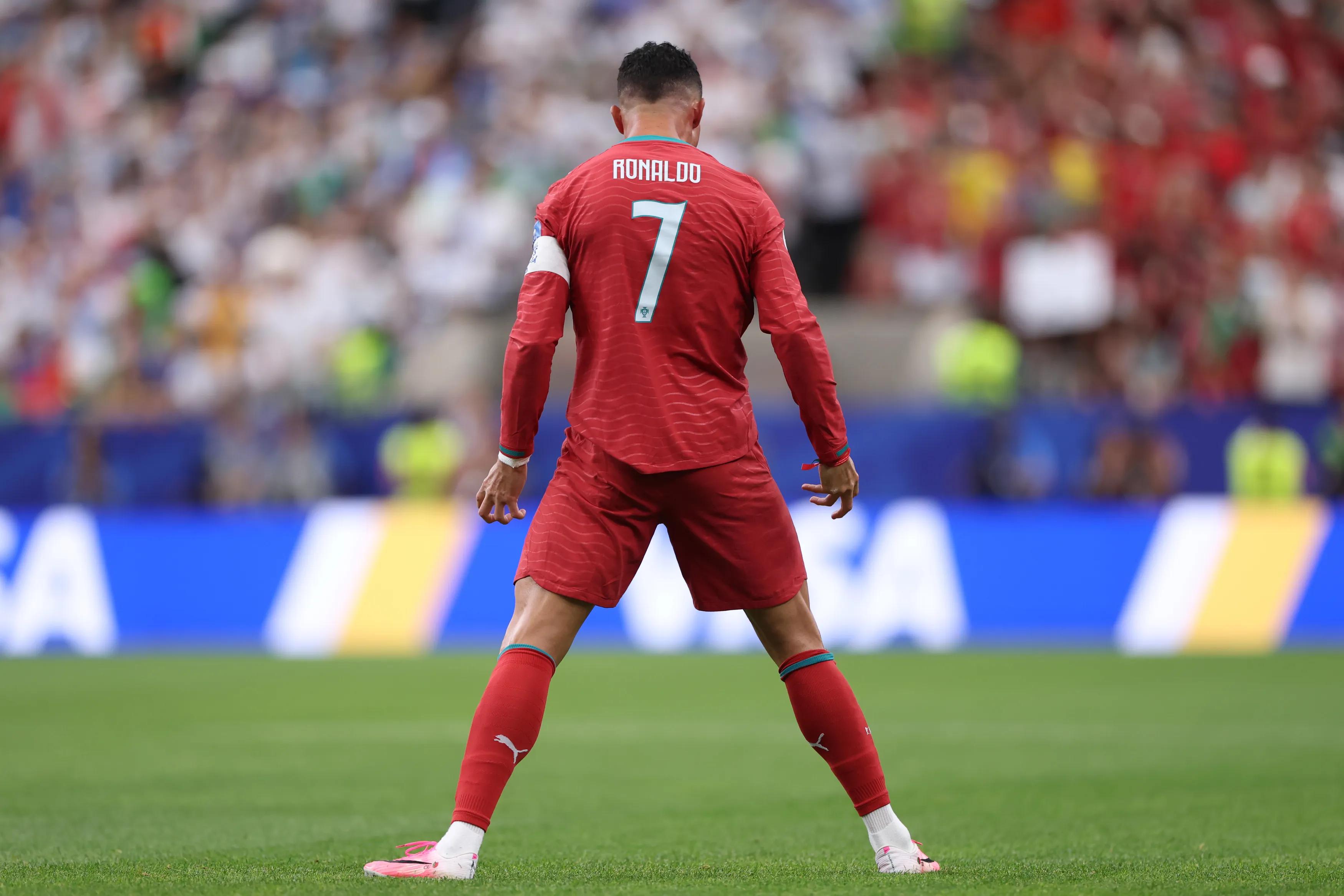
"The Emperor: Authority commands the field."