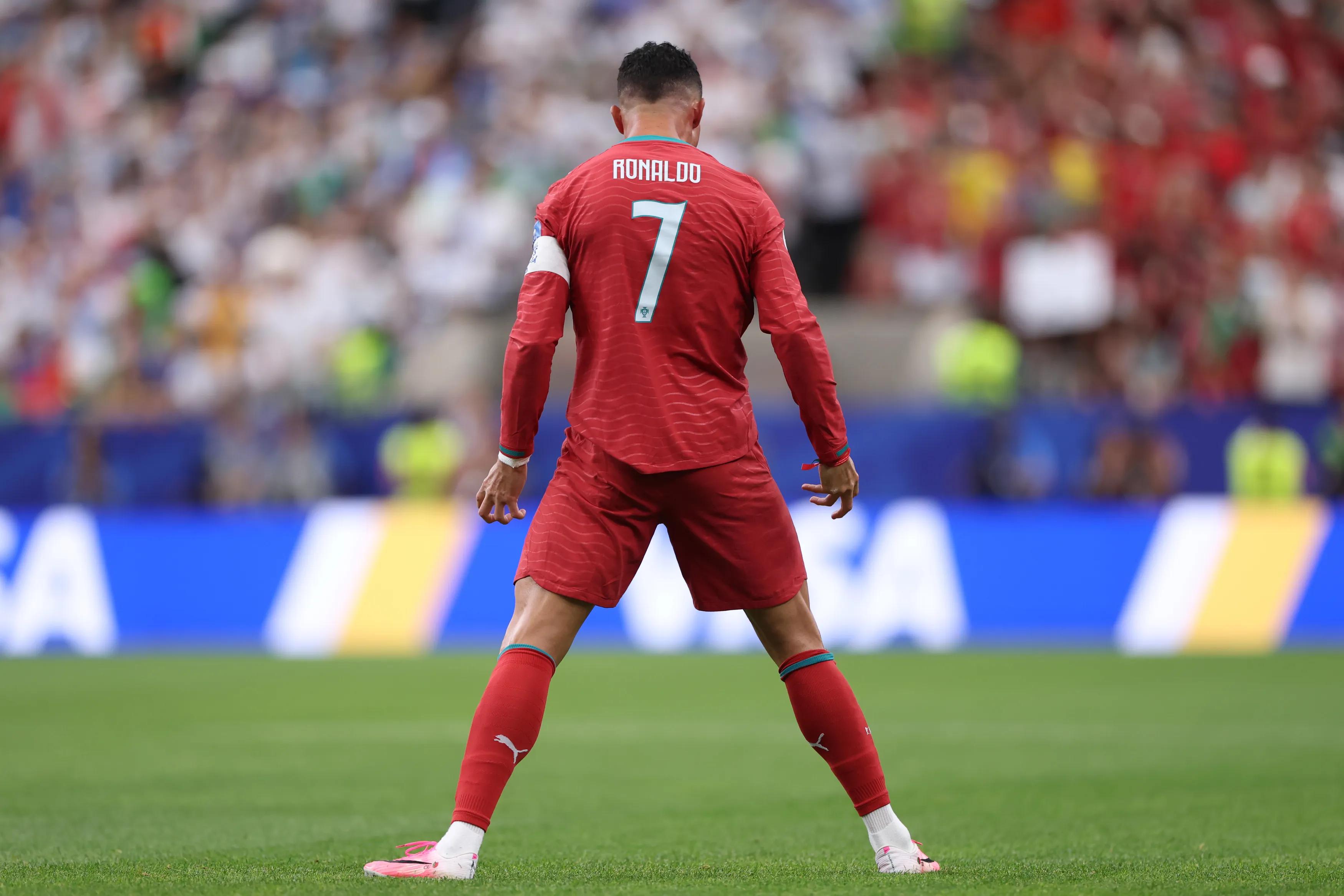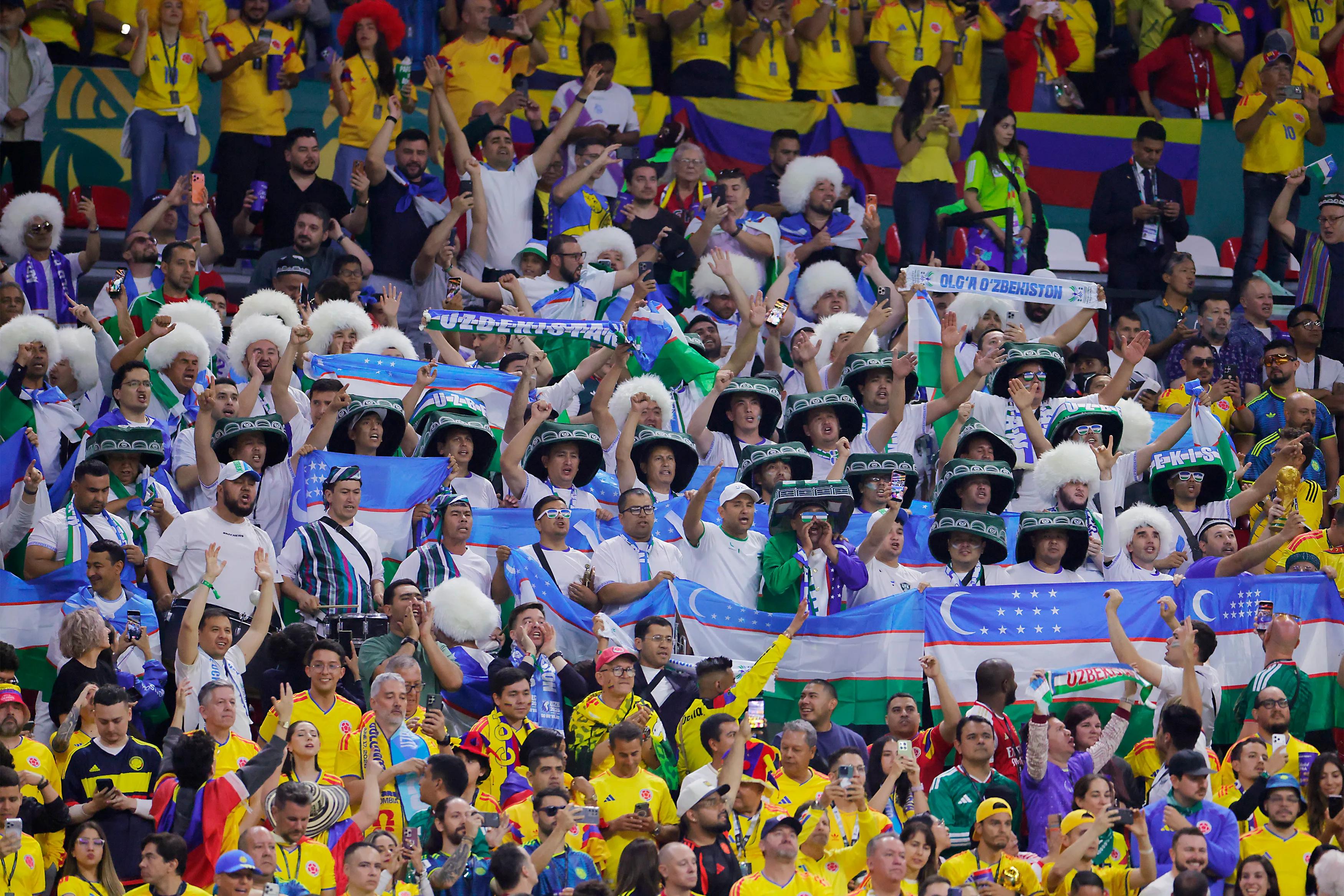
Uzbekistan's players approached Portugal match carrying peculiar emotional weight: facing Cristiano Ronaldo, the player many had idolized throughout youth, now positioned as opponent to challenge rather than hero to admire. The psychological dynamics, unique to World Cup contexts where national obligation supersedes personal admiration, created match preparation complicated by emotional complexity. Uzbekistan's football development had been influenced significantly by Ronaldo's career visibility. Central Asian players, accessing European football through media exposure, had witnessed Ronaldo's Manchester United, Real Madrid, Juventus excellence. The Portuguese forward's influence extended beyond Portuguese supporters; global footballers had studied his methods, admired his achievements, incorporated elements of his approach into their own development. The World Cup match against Portugal transformed this admiration into competitive challenge. Uzbekistan's players, preparing to face Ronaldo rather than watch him, navigated psychological transition from idolization to opposition. The emotional adjustment, processing personal admiration while pursuing national competitive objective, created mental preparation complexity that typical matches don't produce. Uzbekistan supporters, arriving in North American venue, carried similar emotional complexity. Many had Ronaldo jerseys, had celebrated Portuguese achievements throughout his career. But national loyalty, activating through Uzbekistan's World Cup presence, transformed support patterns. The cognitive dissonance, admiring opponent while supporting national team, created atmosphere unusual in World Cup contexts. The match itself, when commenced, required Uzbekistan players to suppress admiration while pursuing competitive effectiveness. Ronaldo's presence, while generating respect, couldn't prevent Uzbekistan's competitive effort. The psychological transition, from idol to opponent, demanded mental discipline that athletic professionalism requires. Post-match, Uzbekistan players' reflections acknowledged emotional complexity. They spoke about facing Ronaldo with respect but competitive intention. They described psychological adjustment that match preparation required. Their honesty, admitting admiration while emphasizing competitive obligation, illuminated World Cup's unique dynamics - how national obligation transforms personal relationships, how tournament context creates emotional complexity beyond typical athletic experience. Uzbekistan's journey from idolizing Ronaldo to opposing him demonstrated World Cup's personal dimensions. The psychological navigation, respecting individual while challenging nation, created match experience unique in participants' careers.
"The Hermit: Wisdom guides the solitary effort."