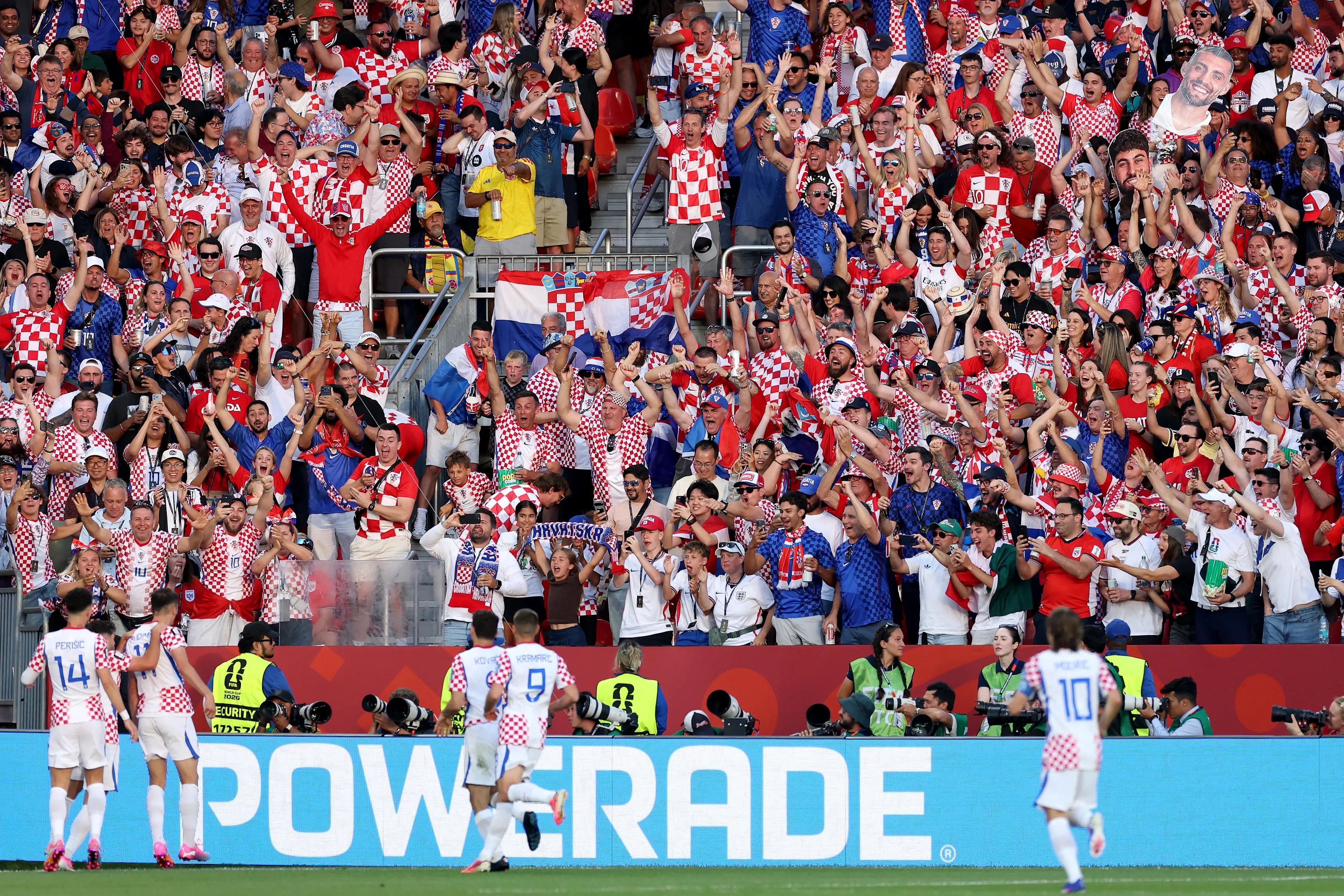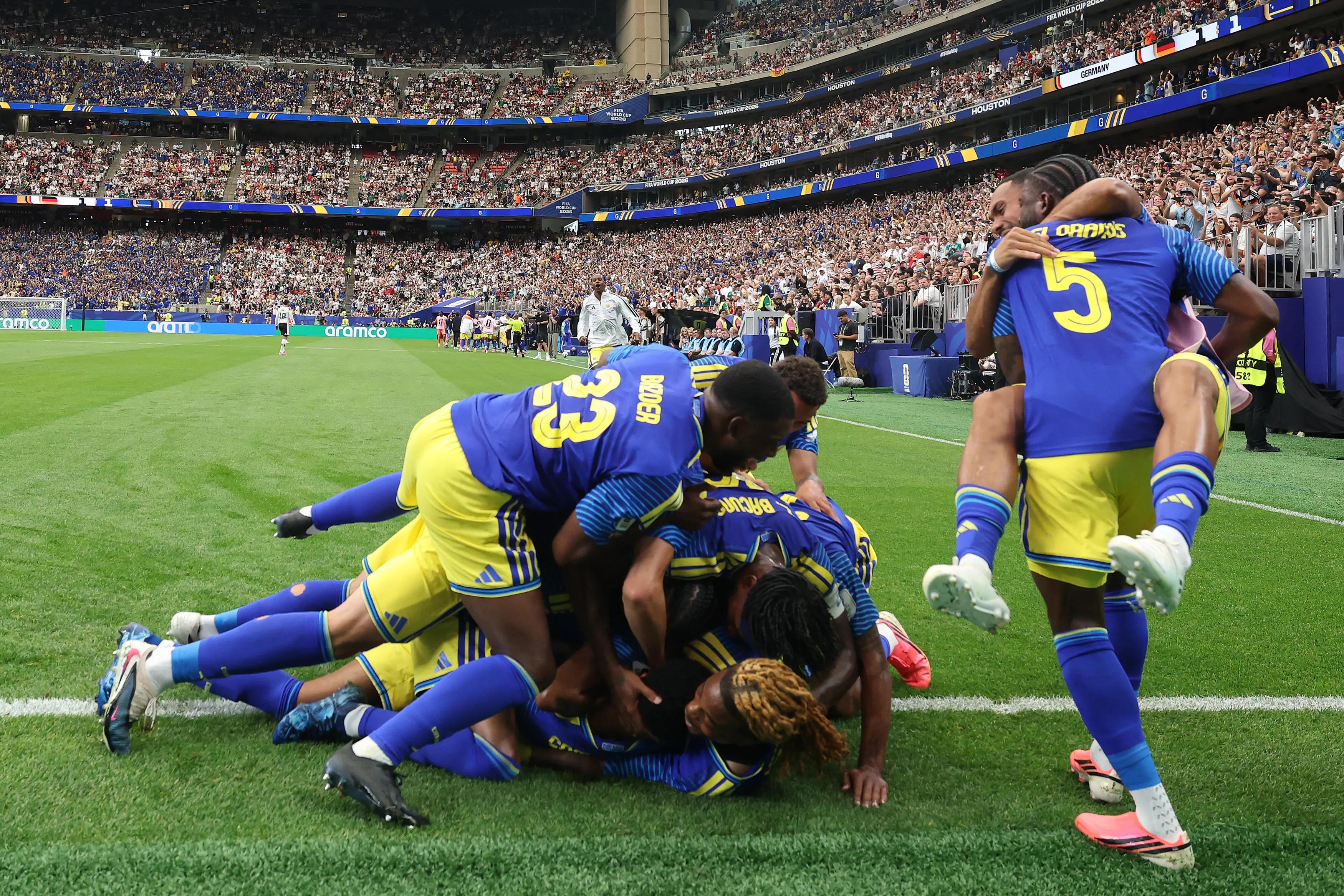
The 2026 World Cup's expanded format produced unprecedented number of nations scoring first World Cup goals. The tournament's forty-eight team field, expanded from previous thirty-two, meant numerous nations arrived without previous World Cup scoring history. Their first goals, each carrying unique significance for respective nations, accumulated into collection of historic moments that 2026's format enabled. First World Cup goals carry significance beyond match statistics. They represent nation's arrival at global football's premier stage, connection to tournament history that subsequent generations will reference. The goal itself, regardless of match result, provides national achievement that World Cup participation has validated. Curaçao's first World Cup goal, scored during group stage match, created celebration extending far beyond stadium. The Caribbean nation, qualifying through CONCACAF progression, had never previously reached World Cup. Their goal, celebrated by players and supporters with intensity reflecting historical magnitude, added nation to World Cup scoring ledger. Similar celebrations occurred across expanded tournament field. Nations from various confederations, qualifying through systems that expanded representation, arrived at World Cup without previous participation. Their first goals, whether resulting in victory or defeat, produced moments that national football histories would permanently include. The expanded format's significance, while debated through competitive quality discussions, produced inclusion value that first goals demonstrated. Nations that previous formats excluded now received World Cup opportunity. Their participation, validated through goals that tournament records would preserve, demonstrated expansion's inclusion dimension. Goal celebrations reflected cultural diversity across participating nations. African nations' first goals produced celebrations incorporating traditional dance elements. Asian nations' celebrations reflected regional customs. Caribbean nations' celebrations brought rhythmic expression unfamiliar to European and South American audiences. The diversity, visible through celebration variations, demonstrated World Cup's cultural breadth that expansion had enhanced. The first goals collection, accumulating through 2026 tournament, will be referenced by future generations discussing expansion's impact. Each goal represents nation's arrival, moment of historical significance that expanded format enabled. The collection demonstrates inclusion's value, how tournament expansion provides opportunities that previous formats denied, how World Cup history grows through participation breadth that first goals illuminate.
"The Lovers: Unity determines the result."