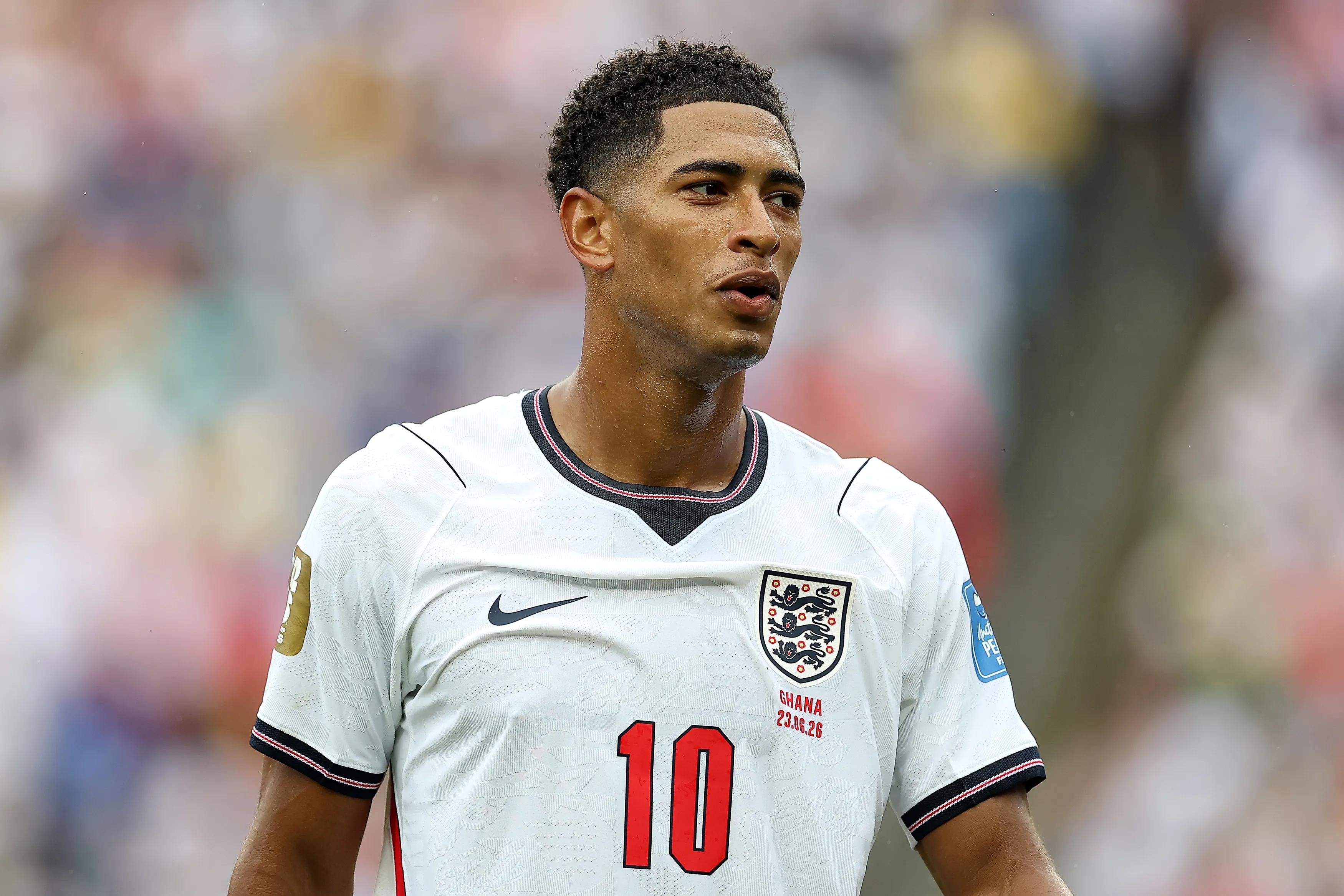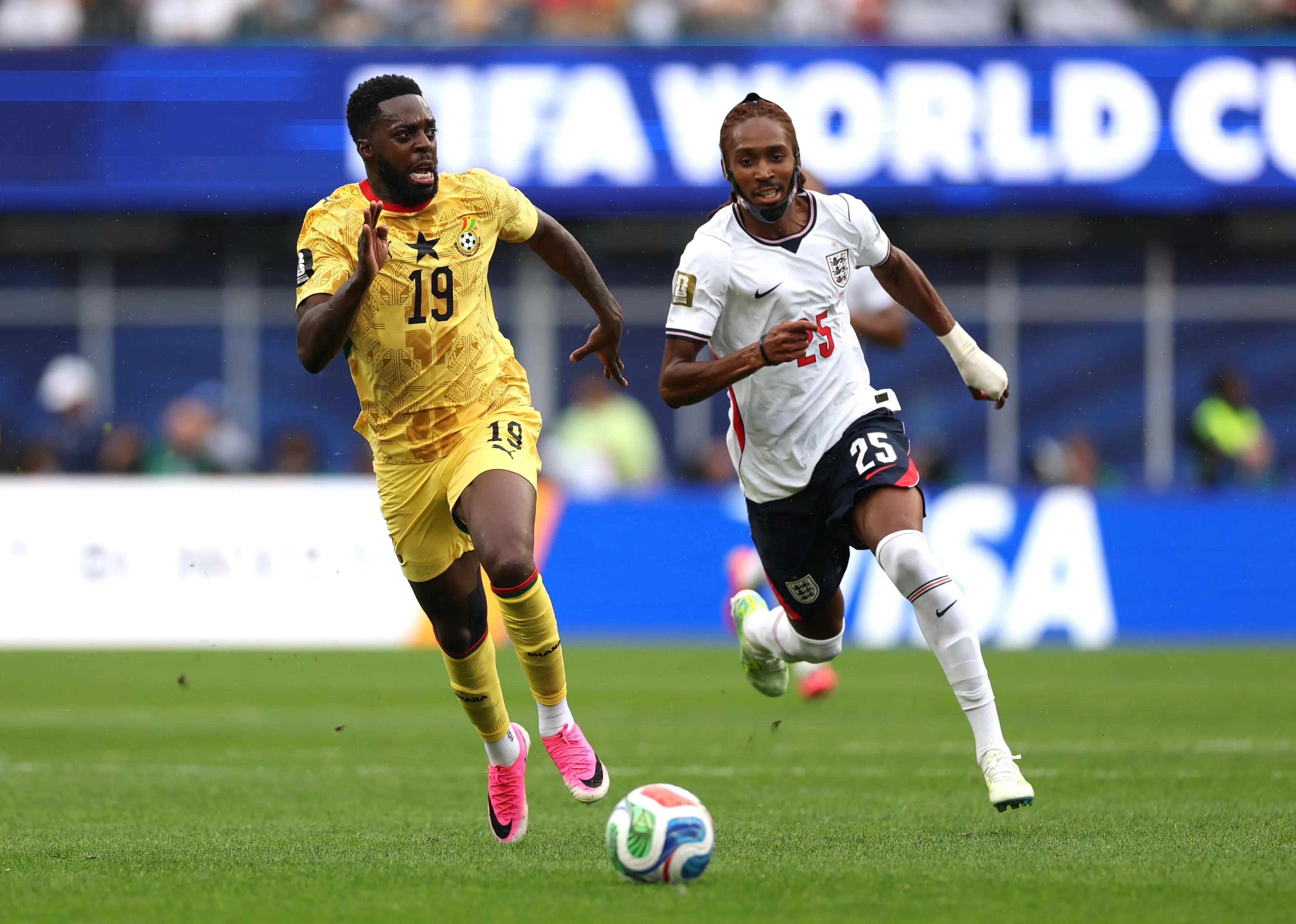
The hand-painted flag Kojo Asante carried into Houston's stadium bore a message decades old: "AFRICA RISES." The faded banner referenced Cameroon's 1990 campaign, when Roger Milla and teammates nearly defeated England in a quarter-final that captured African imagination. Thirty-six years later, Kojo watched Ghana face England, the match feeling like spiritual continuation of that earlier dream. Ghana's 2026 World Cup participation represented triumph over qualification obstacles. The Black Stars had navigated challenging campaigns, assembling a squad blending experience with youth, believing they could compete with any opponent. England, tournament favorites, would test that belief. The contest that unfolded demonstrated Ghana's development — defensive organization matching England's possession, counter-attacks creating genuine danger, the match ending goalless but far from dull. Kojo remembered 1990 vividly. Thirteen years old, he watched Cameroon's matches on a flickering television in his uncle's Accra compound, the neighborhood gathered around. When Cameroon led England, Kojo dreamed of African victory. When England ultimately prevailed, the disappointment seeded a different hope — that African teams could compete with the world's best. That hope had grown through subsequent tournaments, each African performance adding evidence of closing gaps. Ghanaian support in Houston was remarkable. Drums beat throughout the match, African rhythms cutting through stadium PA. Supporters danced in aisles during breaks, joy at presence infectious. This was not desperate support fearing defeat; it was confident celebration of progress, of football that had improved year by year, of a community whose expectations had risen alongside their team's capabilities. After the final whistle, Kojo remained seated, processing the experience. Ghana had drawn with England, competed evenly with favorites. The result was not Cameroon's near-victory, but it demonstrated progress. African football continued closing gaps, Kojo's uncle's dream becoming reality. Kojo thought about his uncle, passed away years ago, and about the flag he had carried so long. The message remained relevant: Africa rises, match by match, generation by generation.
"Death: One team's era ends, another begins."