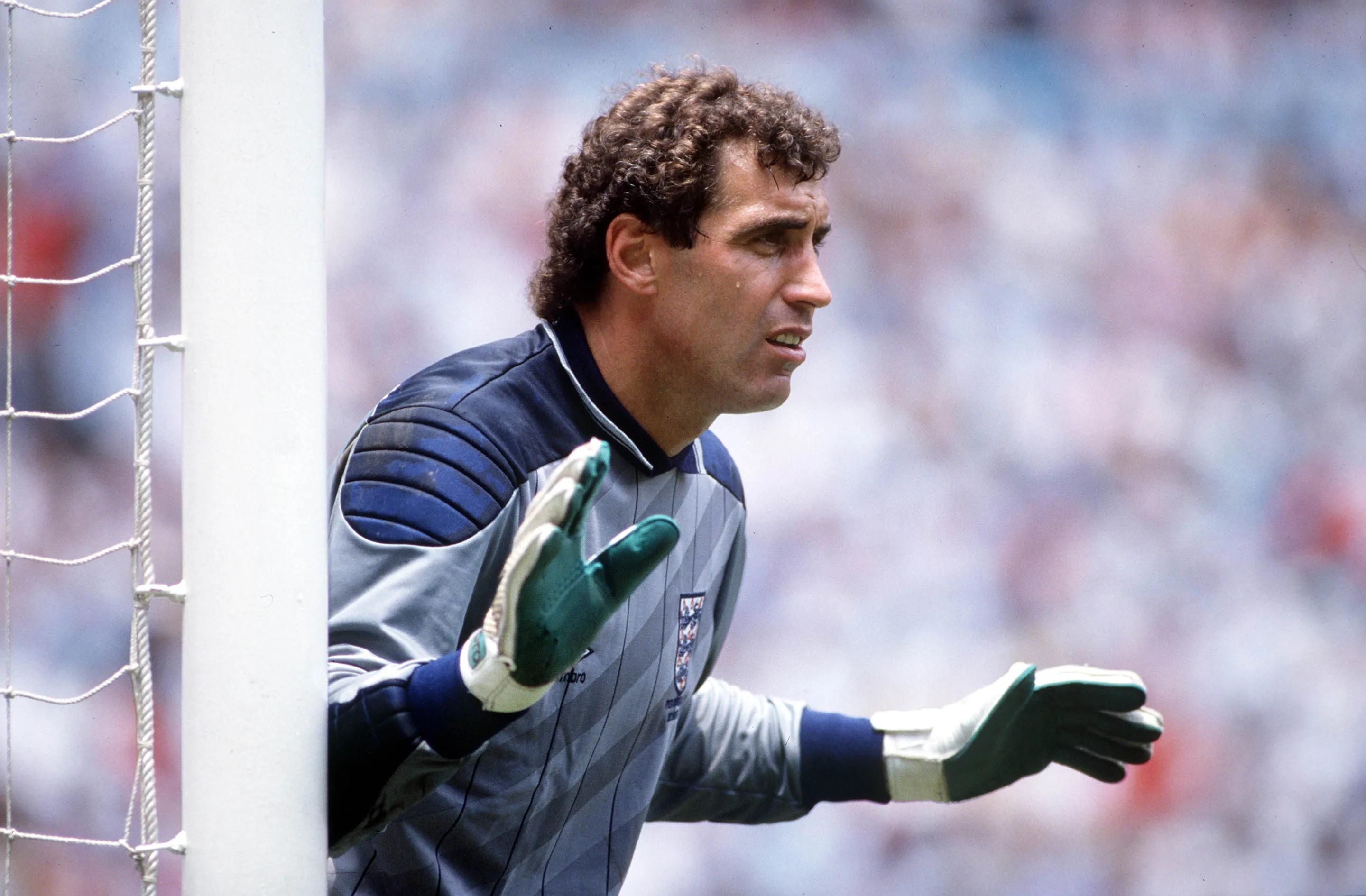
World Cup clean sheet records tell stories of defensive excellence that transcends individual goalkeeping into collective team achievement. The goalkeepers who accumulated multiple shutouts across tournaments weren't merely talented individuals; they were beneficiaries of systematic defensive organization that team cultures produced. Examining these records reveals patterns about how tournament success correlates with defensive reliability. Peter Shilton's clean sheets for England across 1982 and 1986 World Cups demonstrated sustained excellence through different tactical eras. The English goalkeeper, known for positioning precision and aerial command, benefited from defensive systems that prioritized protection. His ten World Cup clean sheets, accumulated across two tournaments, reflected England's organizational approach during those campaigns. Shilton wasn't spectacular in highlight terms; he was reliable, consistent, positioned to prevent rather than rescue. Dino Zoff's clean sheets for Italy culminated in 1982's tournament victory, the goalkeeper achieving six shutouts across seven matches. Zoff's achievement occurred through Italy's tactical conservatism, their defensive structure prioritizing protection over attacking expansion. The forty-year-old goalkeeper, captain of Italy's victorious team, provided foundation that systematic defense required. His clean sheets weren't individual brilliance; they were collective coordination executed through disciplined positioning. Modern tournament goalkeeping has evolved through tactical sophistication. The expansion of clean sheet records reflects defensive systems' development. Goalkeepers now operate within structured protection, their performances dependent on collective organization that modern football prioritizes. Individual brilliance matters, but systematic support determines clean sheet opportunity. The clean sheet statistics illuminate interesting patterns. Goalkeepers from successful teams accumulate shutouts through tournament progression - more matches produce more clean sheet opportunities. The records measure team achievement as much as individual quality. A goalkeeper from a quarter-final exit has limited clean sheet opportunity regardless of talent; tournament progression determines statistical accumulation. 2026's expanded format creates new dynamics for clean sheet accumulation. More matches for successful teams mean shutout counts could increase substantially. Goalkeepers reaching finals through additional rounds could potentially achieve eight or nine clean sheets in single campaigns. Historical comparisons become complicated when format changes alter opportunity structures. The clean sheet rankings, while measuring goalkeeping excellence, require contextual interpretation - understanding that team success produces individual statistics, that era and format influence opportunity, that defensive records tell stories about collective organization more than isolated brilliance.
"Justice: Balance shall be restored on the pitch."